
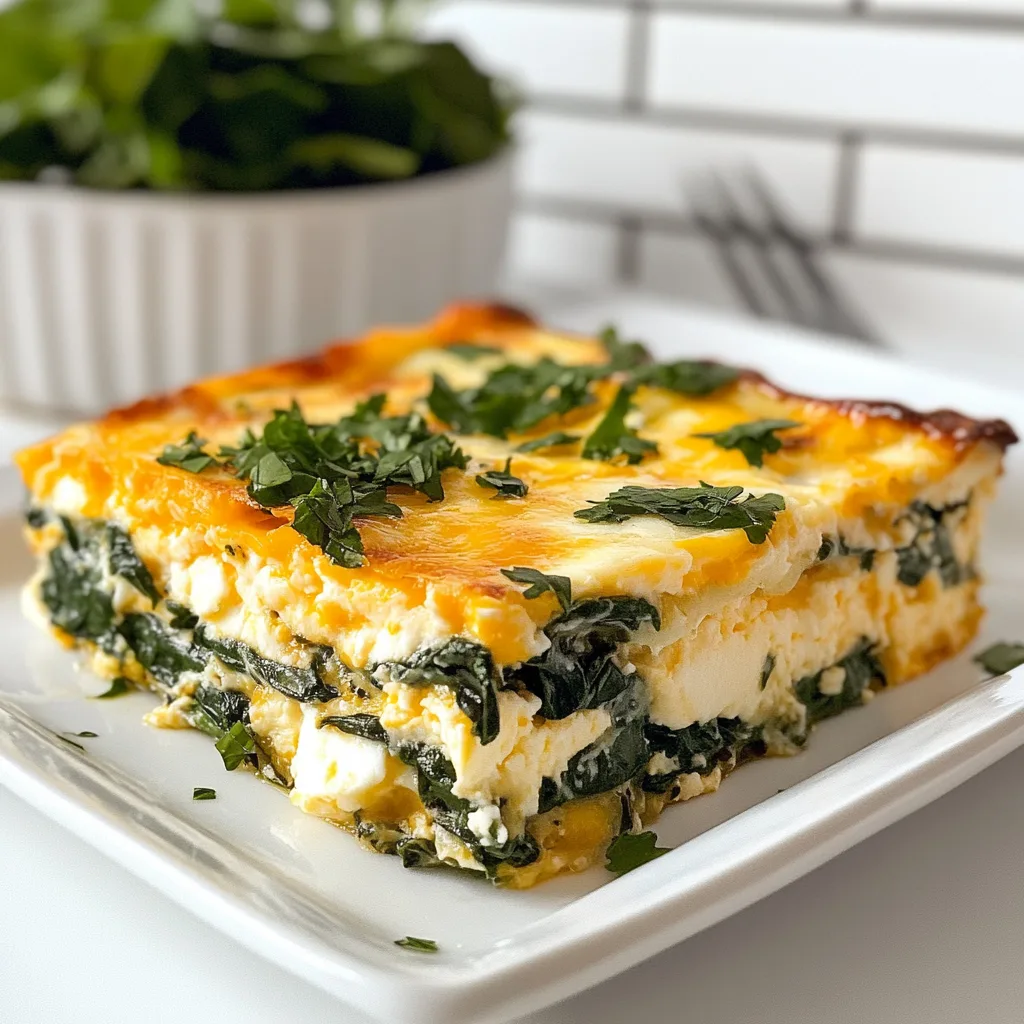
This Spinach and Feta Egg Casserole has become my weekend salvation—a delicious harmony of vibrant greens, tangy feta, and fluffy eggs that somehow makes my kitchen feel like a cozy Sunday morning, regardless of what day it actually is. I first created this recipe during a particularly hectic week when I needed something that could feed me for days without sacrificing flavor. The gentle aroma of herbs and cheese that fills my home while it bakes reminds me that sometimes the simplest dishes bring the most comfort. Like creating a cozy morning routine, this casserole has become a ritual I look forward to.
Table of Contents
Recipe
Print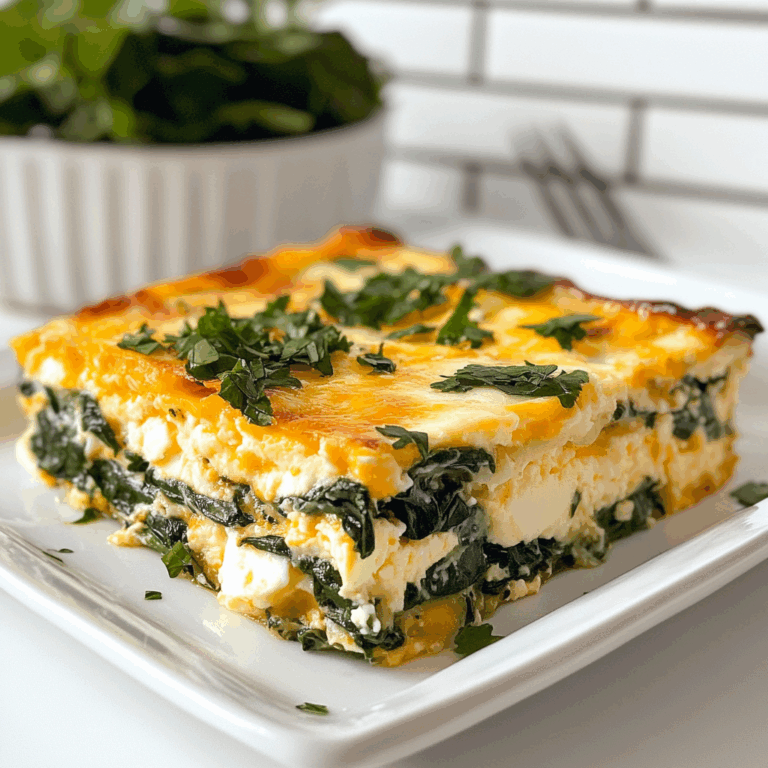
Delicious Spinach and Feta Egg Casserole Recipe | Healthy Breakfast Ideas
This spinach and feta egg casserole is a protein-packed, veggie-loaded breakfast that bakes up golden and fluffy. Perfect for meal prep, brunches, or holidays—this Mediterranean-inspired dish is easy, cheesy, and satisfying.
- Total Time: 45 minutes
- Yield: 6 servings 1x
Ingredients
8 large eggs
1/2 cup milk (or half-and-half)
1 1/2 cups chopped fresh spinach
1/2 cup crumbled feta cheese
1/4 cup diced red onion
1/4 cup chopped red bell pepper
1/2 teaspoon salt
1/4 teaspoon ground black pepper
1/4 teaspoon garlic powder
1 tablespoon olive oil or non-stick spray
Instructions
1. Preheat oven to 375°F (190°C). Lightly grease an 8×8-inch baking dish with olive oil or spray.
2. In a medium bowl, whisk together the eggs, milk, salt, pepper, and garlic powder.
3. Fold in spinach, red onion, bell pepper, and crumbled feta.
4. Pour the mixture into the greased baking dish and spread evenly.
5. Bake for 30–35 minutes, or until the center is just set and the edges are lightly golden.
6. Remove from oven and let rest for 5–10 minutes before slicing.
7. Serve warm or store leftovers in the fridge for easy weekday breakfasts.
Notes
Substitute kale or arugula if you don’t have spinach.
Can be made ahead and reheated in the microwave.
Top with a dollop of Greek yogurt or hot sauce for extra flavor.
- Prep Time: 10 minutes
- Cook Time: 35 minutes
- Category: Breakfast
- Method: Baking
- Cuisine: Mediterranean
Nutrition
- Serving Size: 1 slice
- Calories: 210
- Sugar: 2g
- Sodium: 420mg
- Fat: 14g
- Saturated Fat: 6g
- Unsaturated Fat: 7g
- Trans Fat: 0g
- Carbohydrates: 4g
- Fiber: 1g
- Protein: 13g
- Cholesterol: 190mg
Keywords: spinach feta egg casserole, low carb breakfast casserole, Mediterranean egg bake, healthy breakfast bake
Why You’ll Love This Spinach and Feta Egg Casserole
Perfect Make-Ahead Breakfast Solution
This casserole has saved my sanity on countless busy mornings. I often prepare it on Sunday evenings when the house is quiet and my mind is settling into the week ahead. The beauty lies in its versatility and convenience—slice it into portions, refrigerate, and you’ve got breakfast sorted for days. There’s something deeply satisfying about opening the refrigerator at 7 AM, bleary-eyed and caffeine-deprived, knowing that a nutritious, delicious breakfast awaits with just a quick reheat. The protein-packed eggs and nutrient-rich spinach provide sustained energy that coffee alone simply cannot match.
Nutritional Powerhouse with Flavor to Match
I’ve always believed that healthy food should never compromise on taste, and this casserole proves my point beautifully. The combination of vibrant spinach and creamy feta creates a nutrient-dense meal that doesn’t feel like a health food compromise. Each bite delivers iron, calcium, and protein while the herbs and cheese ensure you’re never sacrificing flavor. What I love most is how this dish satisfies both my nutritional goals and my craving for something genuinely delicious—a rare combination that makes meal prep feel less like a chore and more like self-care.
Essential Tips & Tricks
Perfecting Your Egg Mixture
The secret to a truly exceptional casserole lies in how you treat your eggs. I whisk them until they’re just frothy enough—about 30 seconds by hand—which creates the perfect texture. Room temperature eggs incorporate air more effectively than cold ones, resulting in a fluffier final product. Add a splash of milk (about 2 tablespoons per egg) and a pinch of salt at this stage, not later. I learned this through countless Sunday experiments: seasoning the eggs directly allows the salt to break down proteins slightly, creating that silky texture that elevates this from basic breakfast to something special.
Preparing Your Spinach Properly
The difference between a watery disappointment and a perfect casserole often comes down to how you handle your spinach. Always thoroughly drain your greens—whether using fresh or frozen. For fresh spinach, I sauté it with a tiny bit of garlic until just wilted, then press it against a fine-mesh strainer. For frozen, thaw completely and squeeze between paper towels until no more moisture comes out. This extra step might seem fussy, but it’s essential for the right consistency. Finding this balance in a busy world often means taking these small, intentional steps for significantly better results.
Serving Ideas & Creative Variations
Elegant Brunch Presentation
Transform this humble casserole into a showstopping centerpiece for your next gathering. I serve mine on a wooden board surrounded by fresh herbs, cherry tomatoes, and lemon wedges. The vibrant colors create an inviting display that always draws compliments. For an extra touch, drizzle with high-quality olive oil just before serving and add a light dusting of paprika for color contrast. The presentation elevates the experience, making each bite feel more intentional. When hosting friends, I pair it with mimosas and a simple fruit salad for a brunch that feels effortlessly sophisticated yet deeply comforting.
Seasonal Adaptations Worth Trying
The basic recipe serves as a perfect canvas for seasonal ingredients. In summer, I fold in sun-ripened tomatoes and fresh basil; fall calls for roasted butternut squash and sage; winter welcomes caramelized onions and thyme. These seasonal variations keep the recipe exciting year-round while connecting my kitchen to nature’s rhythm. My personal favorite adaptation includes Mediterranean olives and roasted red peppers, which transport me back to travels along coastal villages. When planning your variations, think about how travel sparks creativity in your cooking—let your memories inspire your kitchen experiments.
Storage & Troubleshooting Guide
Maximizing Freshness and Flavor
Store your casserole properly to maintain its delightful texture and flavor throughout the week. Once completely cooled, cut into individual portions and store in airtight containers with parchment paper between layers to prevent sticking. Refrigerated, it maintains peak freshness for 3-4 days. For longer storage, freeze individual portions wrapped tightly in plastic wrap then foil—this double-layer prevents freezer burn. When reheating, sprinkle a few drops of water before microwaving covered, or reheat in a 325°F oven until just warmed through to preserve moisture without overcooking.
Fixing Common Casserole Issues
Even experienced cooks encounter challenges with egg casseroles. If yours turns out watery, the culprit is usually excess moisture in the vegetables. Next time, cook vegetables longer to evaporate more water before adding to your egg mixture. For a casserole that’s too dry or rubbery, you likely overcooked it—remember that eggs continue cooking briefly after removal from the oven. I always set my timer for 2-3 minutes less than the recipe suggests, then check for that slight jiggle in the center that indicates perfect doneness. The edges should be set but the very center still slightly soft.
Frequently Asked Questions
Can I make this Spinach and Feta Egg Casserole dairy-free?
Absolutely! Substitute the feta with dairy-free cheese and use unsweetened almond or oat milk instead of regular milk. The texture will be slightly different but still delicious.
How far in advance can I prepare this casserole?
You can assemble the entire casserole up to 24 hours before baking. Cover tightly with plastic wrap and refrigerate, then bring to room temperature for 20 minutes before baking.
Can I use frozen spinach instead of fresh?
Yes! Thaw completely and squeeze out ALL excess moisture. One 10-ounce package of frozen spinach equals approximately 1½ pounds of fresh spinach.
What’s the best cheese substitute if I don’t like feta?
Goat cheese offers similar tanginess, while mozzarella provides meltiness. For something milder, try ricotta mixed with a bit of parmesan for depth.
Why did my casserole sink in the middle after baking?
Some deflation is normal as steam escapes. To minimize this, don’t overmix your eggs and avoid opening the oven door during the first 20 minutes of baking.
Final Thoughts
This Spinach and Feta Egg Casserole has become more than just a recipe in my kitchen—it’s a reliable friend that nourishes both body and soul. The way the earthy spinach and salty feta complement each other creates something greater than their parts. I find myself returning to it whenever I need that perfect balance of comfort and nourishment. I’d love to see your versions on Pinterest if you give it a try! There’s something magical about how simple ingredients transform into something so satisfying.