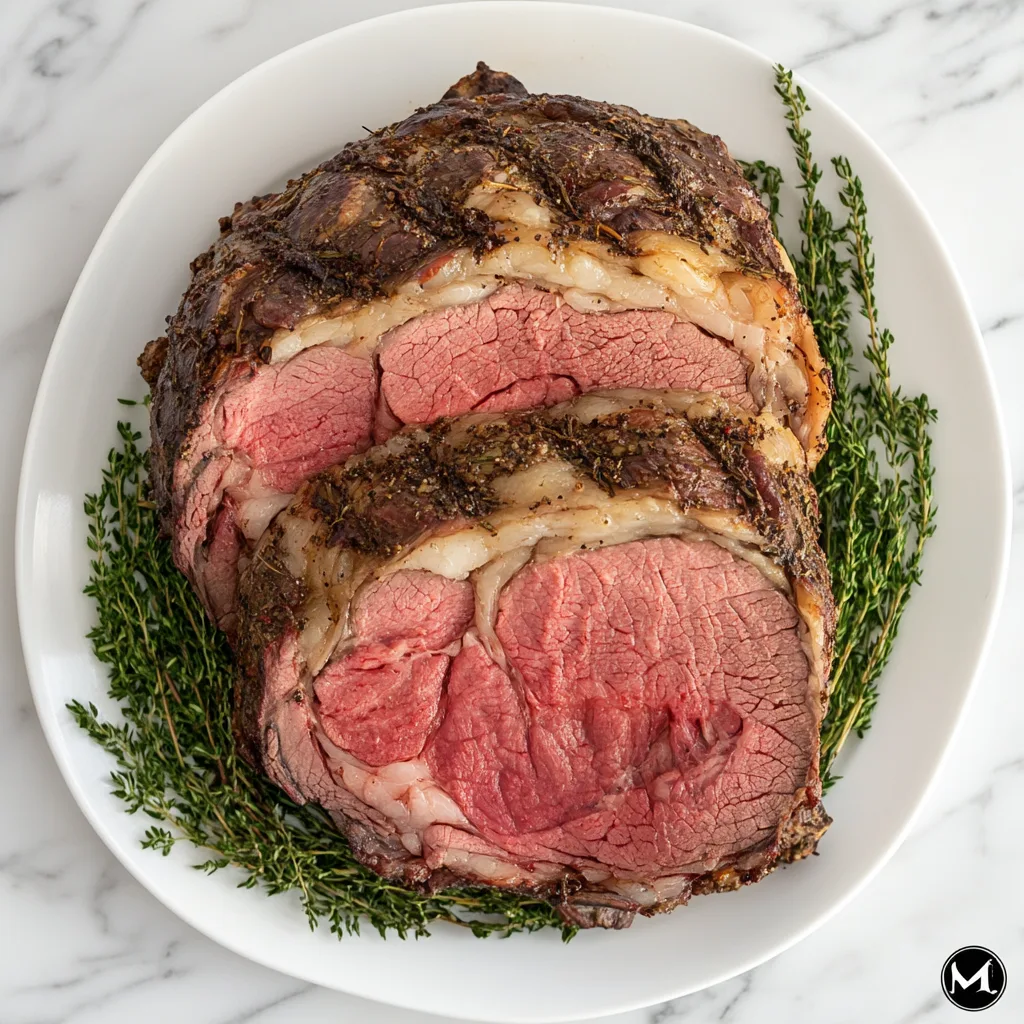
The Pioneer Woman’s Best Prime Rib recipe transforms an ordinary Sunday dinner into a celebration worthy of life’s most special moments. There’s something magical about that first slice—revealing a perfect pink center surrounded by a well-seasoned, herb-crusted exterior. I still remember the first time I attempted this showstopper for my family’s holiday gathering. The kitchen filled with an intoxicating aroma as the roast slowly perfected in the oven, and when I finally carved into that buttery-tender meat, the table fell silent in anticipation. This classic prime rib recipe delivers restaurant-quality results with surprisingly simple techniques.
Table of Contents
Recipe
Print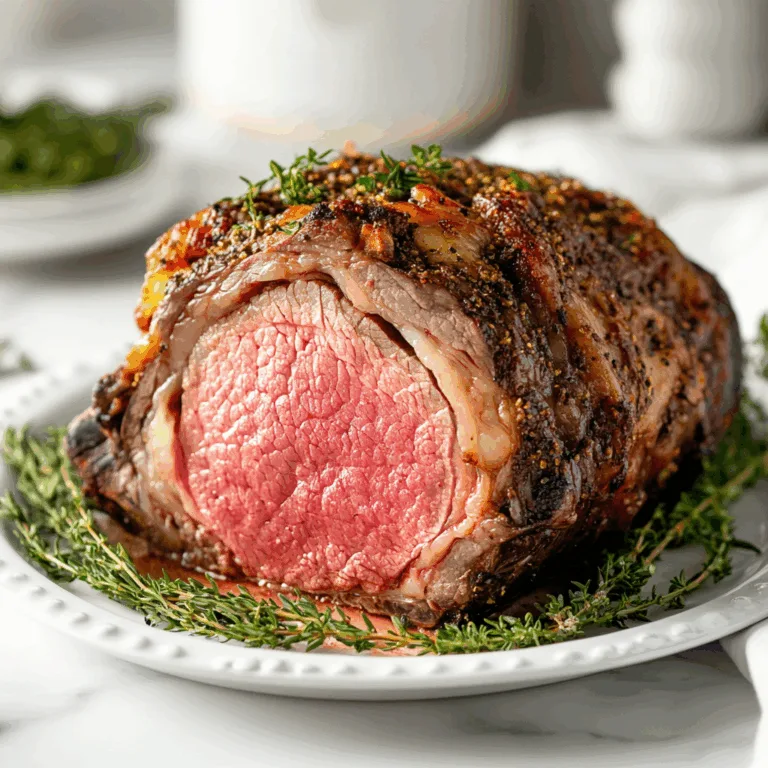
The Pioneer Woman’s Best Prime Rib Recipe | Juicy & Flavorful Roast Beef
This juicy and flavorful prime rib recipe, inspired by The Pioneer Woman, is slow-roasted to perfection with a garlic herb crust and tender pink center. It’s perfect for Christmas, holidays, or any special dinner.
- Total Time: 2 hours 40 minutes
- Yield: 6 servings 1x
Ingredients
1 (5–6 lb) bone-in prime rib roast
1/4 cup kosher salt
2 tbsp black pepper
2 tbsp garlic powder
2 tbsp onion powder
1 tbsp chopped fresh rosemary (or 1 tsp dried)
1 tbsp chopped fresh thyme (or 1 tsp dried)
1/4 cup softened butter or olive oil
Optional: horseradish cream or au jus for serving
Instructions
1. Remove the prime rib from the refrigerator at least 2 hours before roasting.
2. Preheat oven to 500°F (260°C).
3. In a bowl, mix salt, pepper, garlic powder, onion powder, rosemary, thyme, and softened butter to make a paste.
4. Pat roast dry and rub the herb butter mixture all over the surface.
5. Place roast fat-side up in a roasting pan with a rack.
6. Roast at 500°F for 30 minutes, then turn the oven off.
7. Do not open the oven door. Let the roast sit inside the oven for 2 hours.
8. Check internal temperature—it should read 130°F for medium-rare.
9. Remove, rest for 20–30 minutes, slice, and serve.
Notes
Use a meat thermometer to avoid overcooking.
For rare, aim for 120°F internal temp; for medium, go up to 140°F.
Perfect for holidays or pairing with mashed potatoes and green beans.
- Prep Time: 10 minutes
- Cook Time: 2 hours 30 minutes
- Category: Dinner, Holiday, Roast Beef
- Method: Oven Roasted
- Cuisine: American
Nutrition
- Serving Size: 1 thick slice
- Calories: 580
- Sugar: 0g
- Sodium: 550mg
- Fat: 44g
- Saturated Fat: 18g
- Unsaturated Fat: 22g
- Trans Fat: 0g
- Carbohydrates: 1g
- Fiber: 0g
- Protein: 38g
- Cholesterol: 135mg
Keywords: pioneer woman prime rib, best prime rib recipe, roast beef
Why You’ll Love This The Pioneer Woman’s Best Prime Rib
A Foolproof Method for Perfect Results
The Pioneer Woman’s approach eliminates the guesswork that often accompanies cooking such a prestigious cut of meat. Her method combines precise temperature control with a brilliant reverse-sear technique that guarantees consistent results every time. I love how she emphasizes using a good meat thermometer—it’s truly the difference between a good prime rib and an exceptional one. The herb crust creates this incredible textural contrast against the tender meat, while the slow roasting method allows the fat to render down, basting the meat from within as it cooks.
Impressive Yet Approachable
Don’t let the elegant presentation fool you—this recipe is surprisingly approachable for home cooks of all skill levels. The Pioneer Woman’s step-by-step instructions break down what seems complicated into manageable tasks. What I appreciate most is how she demystifies the process, from selecting the right cut (look for good marbling!) to knowing exactly when to remove it from the oven. The simple herb butter mixture creates complex flavors without requiring culinary school techniques. Even if you’ve never attempted prime rib before, her clear directions will give you confidence.
Essential Tips & Tricks
Preparation is Everything
Starting with room temperature meat is absolutely crucial for even cooking. I learned this the hard way! Allow your prime rib to sit out for at least 1-2 hours before roasting. The dry brining technique (salting the meat 24 hours ahead) transforms the texture and flavor by drawing moisture to the surface, which then reabsorbs into the meat, creating a natural brine. Pat the roast completely dry before applying the herb butter to ensure a beautiful crust forms during cooking. For an extra layer of flavor, try Chef John’s Perfect Prime Rib method of adding crushed garlic cloves to the herb butter.
Temperature Mastery
Understanding temperature is the secret to prime rib perfection. The Pioneer Woman recommends cooking to an internal temperature of 120°F for rare, 130°F for medium-rare, or 140°F for medium. Remember that carryover cooking will raise the temperature by about 5-10 degrees as it rests! I always pull my roast when it’s 5 degrees below my target temperature. Use an instant-read thermometer inserted into the thickest part, avoiding bone or fat. The reverse-sear method (starting low, finishing high) creates that coveted crusty exterior while maintaining a juicy, evenly-cooked interior.
Serving Ideas & Creative Variations
Classic Accompaniments
Prime rib deserves worthy sidekicks to complete its royal presentation. Traditional horseradish cream sauce provides the perfect peppery counterpoint to the rich beef—just mix prepared horseradish with sour cream, a splash of lemon juice, and a pinch of salt. For starchy sides, consider fluffy mashed potatoes, Yorkshire puddings, or crispy roasted potatoes to soak up those precious meat juices. I always include something green like roasted asparagus or a simple arugula salad with lemon vinaigrette to cut through the richness. Try pairing with Slow Cooker Candied Pecans for an unexpected sweet element.
Modern Twists
While traditional is wonderful, don’t be afraid to introduce some unexpected elements to your prime rib dinner. Consider a coffee-and-spice rub instead of herbs for a deeper, more complex flavor profile. Chimichurri sauce makes a vibrant, herbaceous alternative to horseradish cream. For a complete menu makeover, serve thin slices on crostini with blue cheese and fig jam as an elegant appetizer. One of my favorite variations is adding rosemary-infused butter and a splash of good cognac to the pan drippings for an elevated sauce that will have guests requesting the recipe.
Storage & Troubleshooting Guide
Proper Storage Solutions
Leftover prime rib is a luxury worth preserving correctly! Store cooled meat in airtight containers in the refrigerator for up to 4 days. For longer storage, wrap individual portions tightly in plastic wrap, then foil, and freeze for up to 3 months. To reheat without overcooking, warm slices gently in beef broth in a covered skillet over low heat until just heated through. For sandwiches, I often don’t reheat at all—cold prime rib with horseradish mayo on good bread is a simple pleasure that makes Monday lunch feel indulgent.
Fixing Common Issues
Even experienced cooks encounter challenges. If your crust isn’t browning properly during the final high-heat roast, try patting the surface completely dry before applying butter, or brush with a little extra melted butter before the final sear. For undercooked sections near the bone, return just those portions to the oven while the rest rests. If your roast is overcooked, slice it thinner and serve with extra au jus to add moisture. Remember that prime rib continues cooking during rest time—always err on the side of undercooking, as you can always return it to heat.
Frequently Asked Questions
What size prime rib should I buy for my dinner party?
Plan for about 1 pound per person (bone-in) or ¾ pound per person (boneless). This accounts for shrinkage and provides for some delicious leftovers.
Can I make The Pioneer Woman’s Best Prime Rib ahead of time?
You can season and prep the roast 24 hours ahead, but for best results, cook it the day you plan to serve. Rest it for 20-30 minutes before carving.
What’s the best way to carve prime rib?
Remove the bones first (if bone-in), then slice against the grain in even portions about ½-inch thick using a sharp carving knife.
How long should I let the roast rest before carving?
Allow at least 20 minutes and up to 30 minutes. This redistributes juices throughout the meat and completes the cooking process.
What wine pairs best with prime rib?
Full-bodied reds like Cabernet Sauvignon, Malbec, or Syrah complement the richness of prime rib beautifully with their robust tannins.
Final Thoughts
The Pioneer Woman’s Best Prime Rib recipe has become my go-to celebration meal, earning its place in my family’s tradition. The combination of simple technique with extraordinary results makes this dish worth mastering. What I love most is how it brings people together—there’s something about a beautifully presented prime rib that creates memorable gatherings. Whether for holidays or special Sunday dinners, this recipe delivers restaurant-quality results that will have everyone thinking you’ve been hiding professional culinary training. Find more inspiration on my Pinterest boards!