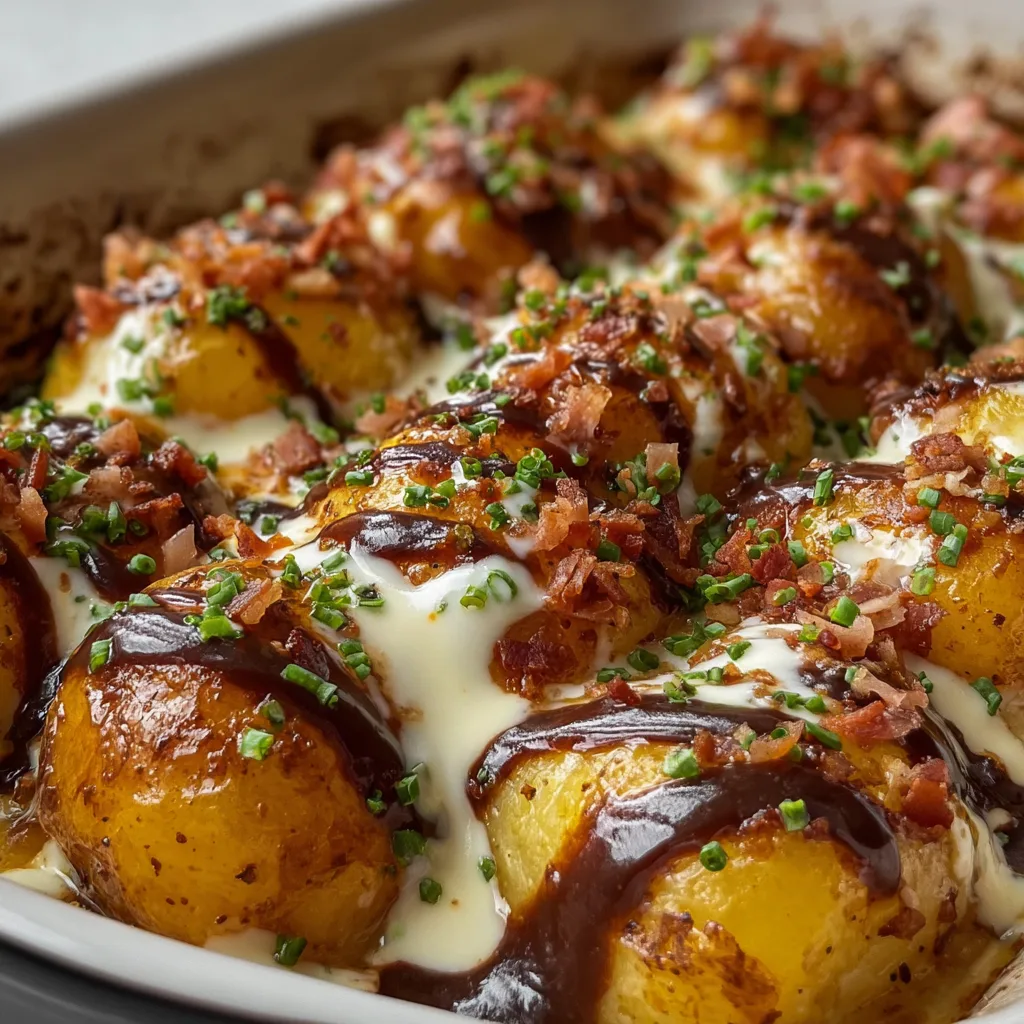
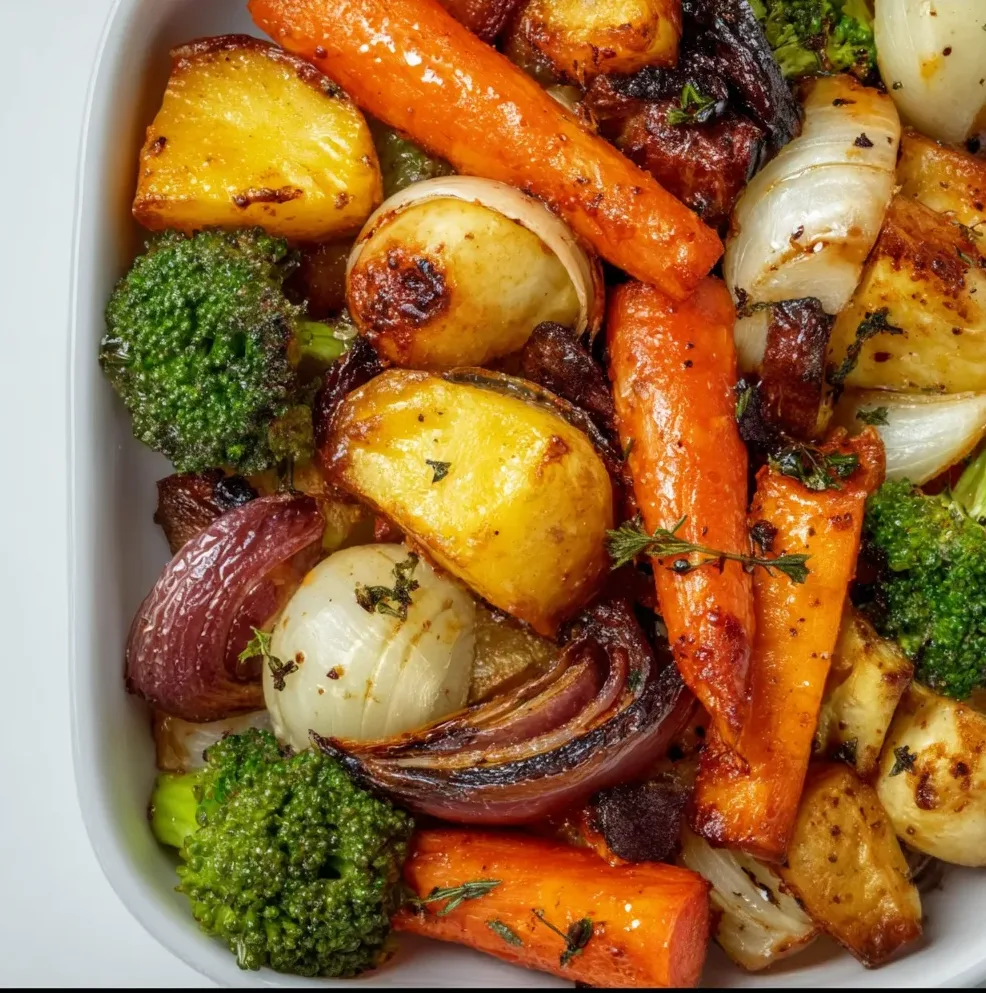
Roast Vegetables to Perfection is a game-changer for your weekly meal prep. There’s something magical about the caramelization that happens when vegetables meet high heat – those crispy edges and concentrated flavors that transform even the humblest produce into something extraordinary. I discovered this technique years ago when trying to get my picky nephew to eat more veggies, and now it’s my go-to method for everything from Brussels sprouts with balsamic and pecans to colorful root vegetable medleys. With just a few simple techniques, you’ll elevate your vegetable side dishes from afterthought to star attraction.
Table of Contents
Recipe
Print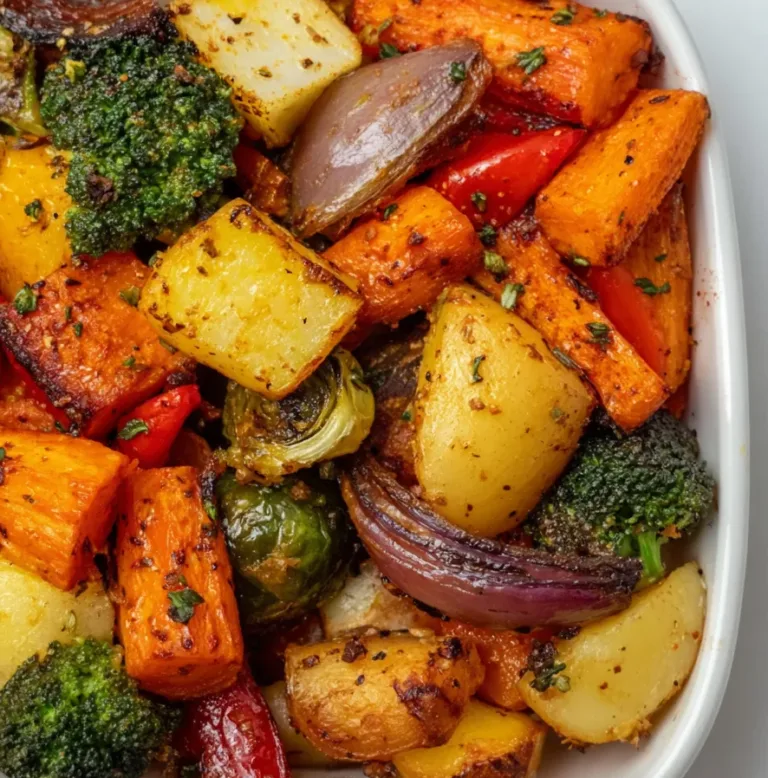
How to Roast Vegetables to Perfection
Learn how to roast vegetables to golden, flavorful perfection every time. This simple method caramelizes the edges, enhances natural sweetness, and gives you crisp-tender veggies that are anything but boring. Perfect for side dishes, grain bowls, or weekly meal prep.
- Total Time: 40 minutes
- Yield: 4 servings 1x
Ingredients
4 cups mixed vegetables (see notes)
2–3 tbsp olive oil
1/2 tsp salt
1/4 tsp black pepper
1/2 tsp garlic powder or Italian seasoning (optional)
**Suggested Veggie Combos:**
– Carrots, sweet potatoes, and red onion
– Zucchini, bell pepper, and red onion
– Cauliflower, broccoli, and Brussels sprouts
Instructions
1. Preheat oven to 425°F (220°C). Line a large sheet pan with parchment paper.
2. Cut vegetables into even, bite-sized pieces.
3. In a large bowl, toss veggies with olive oil, salt, pepper, and optional seasonings.
4. Spread vegetables in a single layer on the baking sheet, leaving space between pieces.
5. Roast for 25–35 minutes, stirring once halfway through, until browned and fork-tender.
6. Remove from oven and serve immediately or cool for meal prep.
Notes
Cut vegetables into similar sizes to ensure even cooking.
Don’t overcrowd the pan — use two trays if needed for maximum browning.
For extra flavor, finish with a drizzle of balsamic glaze, lemon juice, or grated Parmesan.
- Prep Time: 10 minutes
- Cook Time: 30 minutes
- Category: Side Dish, Vegan, Meal Prep
- Method: Roasting
- Cuisine: Global, Vegetarian
Nutrition
- Serving Size: 1 cup
- Calories: 120
- Sugar: 4g
- Sodium: 240mg
- Fat: 7g
- Saturated Fat: 1g
- Unsaturated Fat: 6g
- Trans Fat: 0g
- Carbohydrates: 13g
- Fiber: 3g
- Protein: 2g
- Cholesterol: 0mg
Keywords: how to roast vegetables, roasted vegetable guide, easy veggie side dish, oven roasted veggies
Why You’ll Love This Roast Vegetables to Perfection
Perfect Texture & Flavor Every Time
Roasting vegetables creates that irresistible contrast between caramelized exteriors and tender interiors that other cooking methods simply can’t match. The dry heat concentrates the natural sugars in vegetables, creating deep, complex flavors. I love how bell peppers become candy-sweet, cauliflower develops nutty notes, and Brussels sprouts transform from bitter to crave-worthy. The best part? This technique works year-round with whatever’s in season, from summer squash to winter root vegetables, making it incredibly versatile for any meal plan.
Effortless Meal Prep Solution
What I appreciate most about roasted vegetables is their make-ahead potential. I often prep a giant sheet pan on Sunday evenings, and those veggies become the foundation for meals throughout the week. They’re delicious hot or cold, making them perfect for grain bowls, quick pasta dishes, or alongside rotisserie chicken for an instant dinner. Plus, the hands-off cooking time gives you freedom to prepare other components of your meal – or simply enjoy a glass of wine while amazing aromas fill your kitchen!
Essential Tips & Tricks
Master the Perfect Cut
The way you cut vegetables dramatically impacts how they roast. Aim for uniform pieces to ensure everything cooks at the same rate – nothing’s worse than some pieces burning while others remain raw. I’ve found that 1-inch chunks work beautifully for most vegetables. For denser options like carrots or potatoes, slightly smaller cuts help them cook through properly. Remember that vegetables shrink while roasting, so cut slightly larger than your desired final size. My secret? I keep a ruler in my kitchen drawer specifically for measuring vegetable cuts!
Temperature & Timing Secrets
High heat is essential for proper caramelization, with 425-450°F being the sweet spot for most vegetables. Lower temperatures won’t develop those gorgeous browned edges, while higher temps risk burning before centers cook through. Timing varies by vegetable density – quick-cooking options like zucchini need just 15-20 minutes, while root vegetables require 30-40 minutes. The perfect test? A fork should slide in easily, meeting just slight resistance. For delicate herbs like rosemary, add them in the final 10 minutes to prevent burning, like in these Honey Garlic Butter Roasted Carrots.
Serving Ideas & Creative Variations
Exciting Flavor Combinations
Elevate basic roasted vegetables with thoughtful flavor pairings. My go-to combination is maple syrup and smoked paprika on sweet potatoes – the sweet-smoky balance is absolutely divine. For Mediterranean flair, try lemon zest, oregano and feta on zucchini and eggplant. Asian-inspired vegetables shine with sesame oil, ginger and a drizzle of honey. I keep a collection of finishing salts (my favorite is Maldon) specifically for sprinkling over roasted vegetables just before serving – that little crunch and flavor burst makes all the difference!
Beyond Side Dishes
Transform roasted vegetables into complete meals with thoughtful additions. Toss them with pasta and Creamy Garlic Parmesan sauce for a quick weeknight dinner. Layer them into sandwiches with hummus and microgreens for a satisfying lunch. My personal favorite is creating grain bowls with farro, roasted vegetables, a protein, and a flavorful sauce – I make components ahead so assembly takes minutes. For brunch, nothing beats roasted vegetables topped with a perfectly poached egg and hot sauce – the runny yolk creates an instant sauce!
Storage & Troubleshooting Guide
Proper Storage Methods
Store roasted vegetables properly to maintain their texture and flavor. Allow them to cool completely before transferring to airtight containers – this prevents condensation that makes them soggy. They’ll keep beautifully in the refrigerator for 4-5 days. For longer storage, freezing works surprisingly well for heartier vegetables like carrots and cauliflower. The secret to reviving refrigerated roasted vegetables? Don’t microwave them! Instead, spread them on a sheet pan and reheat at 350°F for 5-10 minutes – they’ll regain their delightful texture.
Solving Common Problems
The most frequent issue with roasted vegetables is uneven cooking. The solution? Proper spacing on your sheet pan – overcrowding creates steam instead of caramelization. I always use two pans if needed rather than crowding one. For vegetables that brown too quickly before cooking through (like butternut squash), try the foil tent method: roast at high heat for the first 15 minutes, then loosely cover with foil to prevent over-browning while they finish cooking. For stubborn vegetables that won’t caramelize, try patting them completely dry before roasting.
Frequently Asked Questions
How do I roast vegetables to perfection without oil?
Use parchment paper and a light misting of vegetable broth or aquafaba. The vegetables won’t brown quite as much, but will still develop good flavor. Finish with a splash of balsamic vinegar for depth.
Can I roast frozen vegetables?
Yes! Don’t thaw them first. Use higher heat (450°F), add an extra tablespoon of oil, and expect 5-10 minutes additional cooking time. They won’t be quite as caramelized but still delicious.
Which vegetables roast best together?
Group vegetables with similar cooking times: quick-cooking (zucchini, mushrooms, tomatoes), medium (bell peppers, broccoli, cauliflower), and slow-cooking (potatoes, carrots, beets, winter squash).
Why are my roasted vegetables soggy?
You’re likely overcrowding the pan, which creates steam instead of caramelization. Use multiple pans if needed and ensure vegetables aren’t touching.
What’s the best oil for roasting vegetables to perfection?
Oils with high smoke points like avocado, grapeseed, or refined olive oil work best. For flavor, try finishing with a drizzle of extra-virgin olive oil after roasting.
Final Thoughts
Mastering how to roast vegetables to perfection is less about following strict recipes and more about understanding the principles behind caramelization, proper spacing, and complementary flavors. I’ve found it to be one of the most versatile cooking techniques in my arsenal – one that transforms ordinary produce into extraordinary meals. Whether you’re trying to eat more plants or simply looking to elevate your dinner game, perfectly roasted vegetables deliver impressive results with minimal effort. For more vegetable inspiration, check out my Pinterest boards where I’m always adding new ideas!