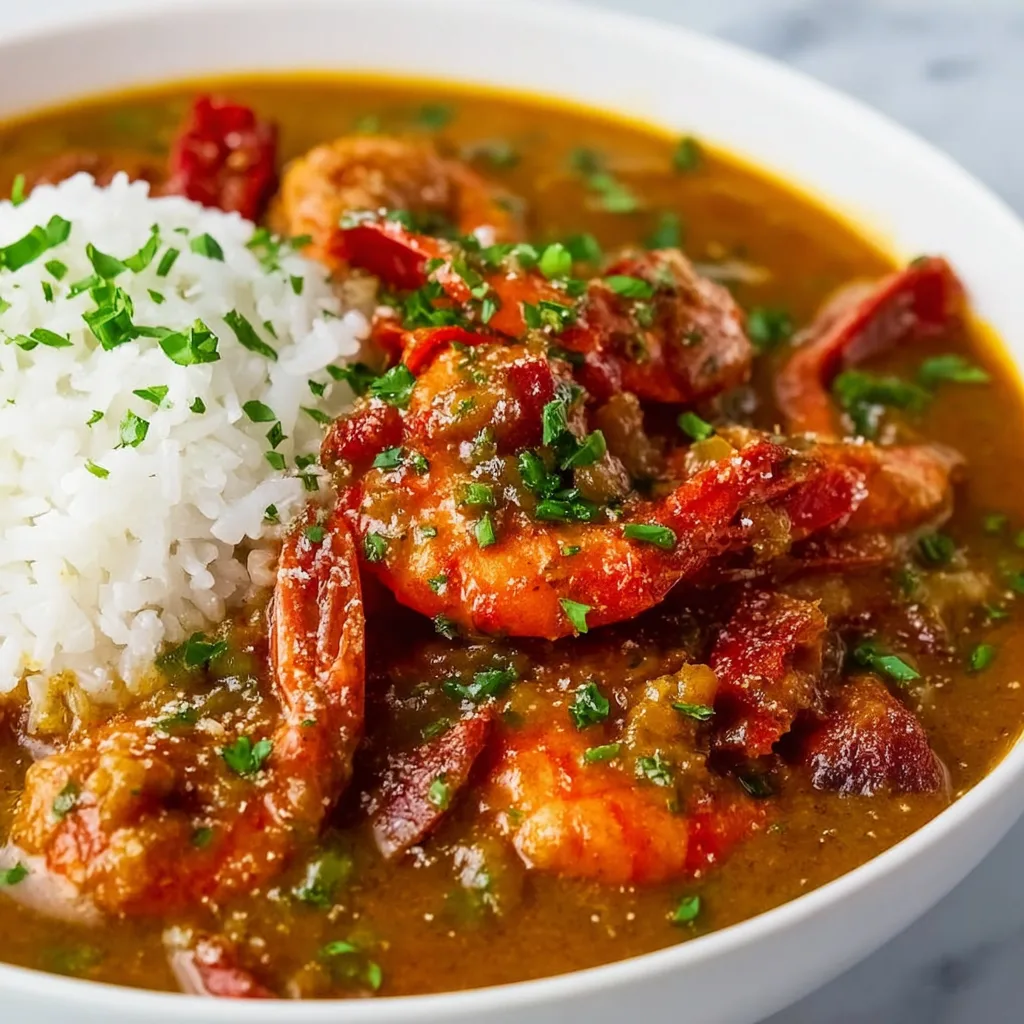
Authentic Cajun Crawfish Étouffée isn’t just a dish—it’s a soulful journey into Louisiana’s heart. The first time I made this rich, velvety stew, the aroma of the holy trinity (bell peppers, onions, and celery) sautéing in butter transported me straight to New Orleans. There’s something magical about watching those plump crawfish tails simmer in a copper-hued roux until they become tender morsels of heaven. This classic Southern comfort food balances earthy spices with delicate seafood in a way that warms you from the inside out. If you’re craving a taste of authentic Cajun cooking, this étouffée recipe delivers all the deeply layered flavors that make Louisiana cuisine so beloved.
Table of Contents
Recipe
Print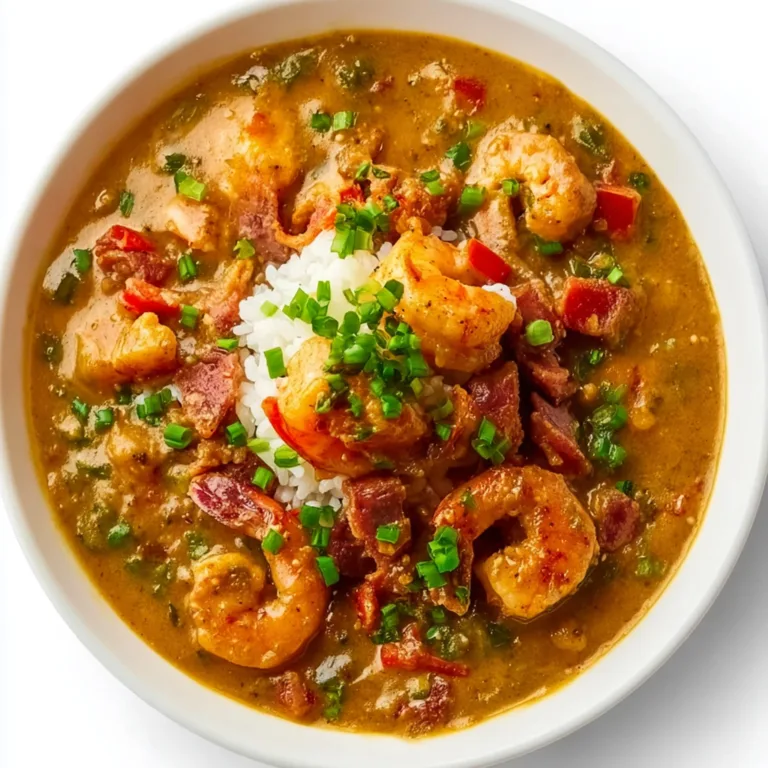
Authentic Cajun Crawfish Étouffée Recipe
This Authentic Cajun Crawfish Étouffée is a rich and spicy Louisiana classic. Crawfish tails are simmered in a dark roux with the “holy trinity” of Cajun cooking—onions, bell pepper, and celery—then served over rice. A soul-warming Southern dish packed with flavor and heritage.
- Total Time: 50 minutes
- Yield: 4 servings 1x
Ingredients
1/2 cup unsalted butter
1/2 cup all-purpose flour
1 medium yellow onion, finely chopped
1 green bell pepper, finely chopped
2 celery stalks, finely chopped
4 garlic cloves, minced
2 cups seafood or chicken stock
1 lb cooked crawfish tails (with fat, if possible)
1 tsp Cajun seasoning
1/2 tsp paprika
1/4 tsp cayenne pepper (optional)
Salt and black pepper to taste
1 tsp Worcestershire sauce
1 tbsp lemon juice
2 tbsp chopped green onions
2 tbsp chopped fresh parsley
Cooked white rice (for serving)
Instructions
1. In a large skillet or Dutch oven, melt butter over medium heat.
2. Whisk in flour to make a roux. Stir constantly for 6–8 minutes, until it turns a rich peanut butter color.
3. Add onion, bell pepper, and celery. Cook until softened, about 5 minutes.
4. Stir in garlic and cook 1 minute more.
5. Slowly whisk in seafood or chicken stock until smooth.
6. Add crawfish tails, Cajun seasoning, paprika, cayenne, Worcestershire, lemon juice, salt, and pepper.
7. Reduce heat and simmer for 10–15 minutes, stirring occasionally.
8. Stir in green onions and parsley. Taste and adjust seasoning if needed.
9. Serve hot over cooked white rice.
Notes
Use crawfish fat (if included) for the most authentic flavor.
To thicken the sauce more, simmer uncovered an extra 5–10 minutes.
You can substitute shrimp if crawfish isn’t available locally.
- Prep Time: 15 minutes
- Cook Time: 35 minutes
- Category: Main Course, Seafood, Southern
- Method: Sautéing, Simmering
- Cuisine: Cajun, Creole, Louisiana
Nutrition
- Serving Size: 1.5 cups (with rice)
- Calories: 410
- Sugar: 4g
- Sodium: 690mg
- Fat: 22g
- Saturated Fat: 11g
- Unsaturated Fat: 9g
- Trans Fat: 0g
- Carbohydrates: 28g
- Fiber: 2g
- Protein: 26g
- Cholesterol: 165mg
Keywords: crawfish étouffée, cajun crawfish recipe, louisiana étouffée, authentic southern seafood dish
Why You’ll Love This Authentic Cajun Crawfish Étouffée
Rich Cultural Heritage
This étouffée recipe carries generations of Cajun cooking wisdom in every spoonful. The word “étouffée” means “smothered” in French, perfectly describing how the crawfish are lovingly cooked in a flavorful sauce until they reach melt-in-your-mouth perfection. I learned this recipe from my neighbor whose family came from Lafayette, Louisiana, and she insisted that patience is key—allowing those flavors to develop slowly creates that authentic depth. The combination of cayenne, paprika, and thyme creates that distinctive Cajun warmth without overwhelming the delicate sweetness of the crawfish.
Impressive Yet Approachable
Don’t let the fancy French name intimidate you—this dish is surprisingly straightforward to make. The trickiest part is getting your roux to that perfect peanut-butter color without burning it (low and slow is the secret). Once you’ve mastered that, everything else comes together beautifully. I love serving this at dinner parties because it always draws gasps when I bring out that steaming pot of richly colored étouffée. The vibrant orange-red sauce spooned over fluffy white rice creates a stunning presentation that looks like you spent hours in the kitchen, even though the active cooking time is reasonable.
Essential Tips & Tricks
Mastering The Perfect Roux
The foundation of any great étouffée is a properly made roux—that magical mixture of fat and flour that gives the dish its signature thickness and flavor. I’ve learned through many batches that patience is non-negotiable here. Use a heavy-bottomed pot and stir constantly over medium-low heat until your roux reaches that beautiful amber color, similar to peanut butter. This usually takes about 15-20 minutes, and you’ll notice it developing a nutty aroma. If you see black specks, you’ve gone too far—start over. The perfect roux should be smooth and uniform, creating that silky texture that makes authentic étouffée so irresistible.
Selecting and Preparing Crawfish
For truly authentic flavor, fresh crawfish tails are ideal, but high-quality frozen ones work wonderfully too. I always thaw frozen tails in the refrigerator overnight rather than using quick methods that can affect texture. Before adding them to your étouffée, gently squeeze any excess moisture from the tails and inspect for bits of shell. Add the crawfish only in the final 5-10 minutes of cooking—overcooked crawfish become tough and rubbery. The tails should curl slightly and turn opaque when done, maintaining their delicate sweetness that perfectly complements the rich sauce.
Serving Ideas & Creative Variations
Traditional Cajun Accompaniments
Authentic Cajun Crawfish Étouffée shines brightest when served over a mound of fluffy white rice that soaks up all that flavorful sauce. I like to add a sprinkle of sliced green onions and a few dashes of hot sauce on top for both color and an extra kick. Warm, crusty French bread is essential for sopping up every last drop of sauce—I’ve watched dinner guests practically lick their plates clean! For a true New Orleans experience, serve with a side of simple butter lettuce salad dressed with a light vinaigrette to balance the richness of the étouffée. This creates that perfect balance of flavors that makes Cajun cuisine so special.
Modern Twists on a Classic
While purists might raise an eyebrow, I’ve discovered some delicious variations that respect the dish’s essence while adding contemporary flair. Try serving étouffée over creamy stone-ground grits instead of rice for a luxurious texture contrast. For a lighter option, spoon it over cauliflower rice or zucchini noodles. I’ve even used the sauce as a base for an incredible pasta dish, tossing it with fettuccine and adding extra crawfish. For special occasions, consider adding a few jumbo shrimp or even lobster tails alongside the crawfish for an indulgent seafood medley that maintains the dish’s Cajun soul while elevating it to new heights.
Storage & Troubleshooting Guide
Proper Storage Methods
Crawfish étouffée actually tastes even better the next day after the flavors have had time to meld together overnight. Store leftovers in an airtight container in the refrigerator for up to 3 days. When reheating, do so gently over low heat, adding a splash of seafood stock or water if the sauce has thickened too much. For longer storage, you can freeze étouffée for up to 2 months, though the texture of the crawfish may change slightly. I recommend freezing it without rice and making fresh rice when serving. Always cool the étouffée completely before refrigerating or freezing to maintain food safety.
Common Problems and Solutions
If your étouffée sauce is too thin, try simmering it uncovered for 5-10 minutes to reduce and thicken naturally. For sauce that’s too thick, gradually whisk in warm seafood stock until you reach your desired consistency. If you accidentally burn your roux (we’ve all been there!), don’t try to salvage it—the bitter taste will permeate the entire dish. Start fresh with a clean pot. For étouffée that lacks depth, try adding a splash of Worcestershire sauce or a teaspoon of tomato paste. If your crawfish taste muddy, next time soak them in salt water for 15 minutes before cooking.
Frequently Asked Questions
What makes Authentic Cajun Crawfish Étouffée different from Creole versions?
Cajun étouffée typically has a darker roux, fewer tomatoes (if any), and more intense seasoning than Creole versions. Authentic Cajun étouffée focuses on the pure crawfish flavor without tomato-forward sauces.
Can I substitute shrimp for crawfish?
Yes! Shrimp make an excellent substitute. Use large shrimp cut into chunks and add them during the last 3-5 minutes of cooking to prevent overcooking.
How spicy should authentic étouffée be?
Traditional étouffée has a moderate warmth rather than intense heat. The spice should enhance the crawfish flavor without overwhelming it. Adjust cayenne to your preference.
Why did my roux separate or break?
Roux separation usually happens from heating too quickly or not stirring constantly. Keep heat medium-low and stir without stopping until the desired color is reached.
Can I make étouffée ahead for a party?
Absolutely! Make it 1-2 days ahead and refrigerate. The flavors actually improve overnight. Reheat gently and add a splash of stock if needed.
Final Thoughts
There’s something deeply satisfying about serving a pot of Authentic Cajun Crawfish Étouffée that connects you to generations of Louisiana cooking traditions. When I see friends and family scraping their bowls clean, I know I’ve done this classic justice. The rich, complex flavors and velvety sauce create an unforgettable meal that’s worth every minute spent stirring that roux. Whether you’re celebrating a special occasion or simply craving soulful comfort food, this étouffée delivers a taste of genuine Cajun magic that will have everyone asking for seconds. For more delicious recipe inspiration, check out my Pinterest boards.