

Irish Potato Bread brings the heartwarming comfort of Irish kitchens straight to your table. This traditional bread combines the humble potato with simple pantry ingredients to create something truly magical – a tender, slightly dense bread with a golden crust that’s perfect for sopping up stews or toasting for breakfast. My grandmother first taught me to make this bread on a rainy Sunday afternoon, and I’ve been perfecting it ever since. The earthy aroma that fills your kitchen as it bakes is worth the effort alone! If you love comforting bakes like my Orleans Bread Pudding with Bourbon Sauce, you’ll adore this Irish classic.
Table of Contents
Recipe
Print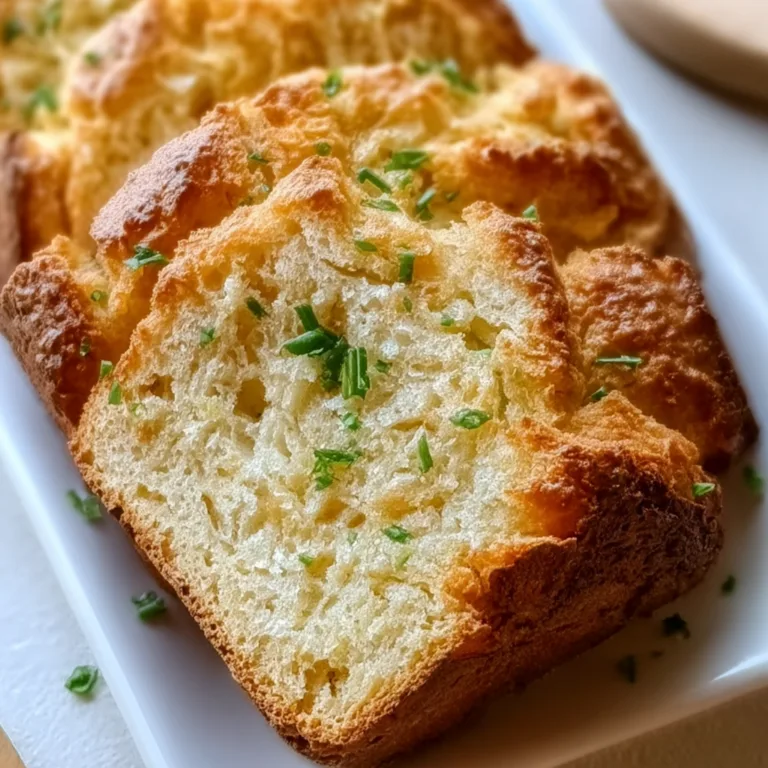
Traditional Irish Potato Bread Recipe
This Traditional Irish Potato Bread is soft, comforting, and slightly rustic with a tender crumb. Made with simple ingredients and mashed potatoes, it’s a delicious homemade bread perfect for breakfast or alongside meals.
- Total Time: 40 minutes
- Yield: 1 loaf (6 servings) 1x
Ingredients
For the Bread:
2 cups mashed potatoes (cooled)
2 cups all-purpose flour
1 teaspoon baking powder
1/2 teaspoon baking soda
1/2 teaspoon salt
2 tablespoons butter, melted
1/2 cup buttermilk
Optional:
Extra butter for serving
Instructions
1. Preheat oven to 200°C (400°F) and line a baking tray.
2. In a bowl, mix mashed potatoes, flour, baking powder, baking soda, and salt.
3. Add melted butter and buttermilk.
4. Mix until a soft dough forms.
5. Turn dough onto a floured surface and gently shape into a round.
6. Place on baking tray and score a cross on top.
7. Bake for 25–30 minutes until golden and cooked through.
8. Let cool slightly before slicing.
9. Serve warm with butter.
Notes
Do not overwork the dough to keep it soft.
Use leftover mashed potatoes for convenience.
Serve fresh for best taste.
Pairs well with soups or breakfast dishes.
- Prep Time: 10 minutes
- Cook Time: 30 minutes
- Category: Bread
- Method: Baking
- Cuisine: Irish
- Diet: Vegetarian
Nutrition
- Serving Size: 1 slice
- Calories: 180
- Sugar: 2 g
- Sodium: 220 mg
- Fat: 4 g
- Saturated Fat: 2 g
- Unsaturated Fat: 1 g
- Trans Fat: 0 g
- Carbohydrates: 30 g
- Fiber: 2 g
- Protein: 4 g
- Cholesterol: 10 mg
Keywords: irish potato bread, soda bread recipe, traditional irish bread, homemade bread recipe, easy bread
Why You’ll Love This Irish Potato Bread
Perfect Texture & Flavor
There’s something undeniably special about the texture of Irish Potato Bread. The mashed potatoes create a wonderfully moist crumb that stays fresh longer than regular bread. Each bite offers a subtle earthy sweetness that only potatoes can provide. I love how the crust develops a beautiful golden color with just the right amount of crispness while the interior remains tender and slightly dense. The first time I served this to friends, they couldn’t believe the secret ingredient was potatoes! It’s the perfect balance of rustic and refined – substantial enough to hold up to hearty toppings but delicate enough to enjoy on its own.
Simple Ingredients & Process
What makes this recipe truly accessible is its humble ingredient list. You likely have everything you need already: potatoes, flour, butter, and a few basics. No specialty items required! The process is equally approachable, even for novice bakers. There’s something deeply satisfying about transforming such simple ingredients into something extraordinary. I find the kneading process particularly therapeutic – feeling the dough come together under my hands after folding in the cooled mashed potatoes. The best part? Your house will fill with the most amazing aroma as it bakes, creating that warm, cozy atmosphere that makes everyone feel instantly at home.
Essential Tips & Tricks
Potato Selection & Preparation
Choosing the right potatoes makes all the difference in this bread. Opt for starchy varieties like Russets or Idaho – they’ll create that perfect fluffy texture we’re after. When cooking them, avoid waterlogging by steaming instead of boiling if possible. I learned this the hard way after one soggy-centered loaf! Make sure to cool your mashed potatoes completely before incorporating them into your dough. I like to prepare them the night before and refrigerate, which not only saves time but also removes excess moisture. Don’t overmash – some small lumps add wonderful texture to the finished bread and create those distinctive little pockets throughout the crumb.
Perfecting Your Dough
The key to amazing Irish Potato Bread lies in achieving the perfect consistency. Your dough should feel tacky but not sticky – add flour gradually until it reaches this sweet spot. I like to start with slightly less flour than the recipe calls for, then add more as needed during kneading. Be patient with the process; good bread can’t be rushed! Allow proper rising time in a warm, draft-free spot. My favorite trick is to place the dough near (not on) a preheating oven. For an extra-special touch, brush the top with melted butter before baking for a gorgeous golden crust, similar to how I finish my Spinach Feta Puff Pastry for that beautiful shine.
Serving Ideas & Creative Variations
Perfect Pairings
Irish Potato Bread shines brightest when served alongside hearty dishes. It’s absolutely divine with a bowl of beef stew or traditional Irish colcannon. The bread’s subtle flavor makes it the perfect canvas for both sweet and savory toppings. For breakfast, try it toasted with a generous spread of salted butter and honey – pure comfort! I love serving thick slices alongside scrambled eggs on weekend mornings. For lunch, it makes an incredible base for open-faced sandwiches topped with smoked salmon and dill. The slightly dense texture holds up beautifully to anything you pair it with, from soups to salads, making it one of the most versatile breads in my repertoire.
Delicious Twists
While traditional Irish Potato Bread is perfect as-is, there are endless ways to make it your own. Add a handful of sharp cheddar and some chopped chives for a savory variation that pairs beautifully with soups. For a breakfast version, fold in some cinnamon and dried fruit before baking. My personal favorite twist is adding roasted garlic and rosemary – the aroma is absolutely intoxicating! You could also shape the dough into individual rolls instead of a loaf for faster baking and easy portion control. For something truly special, try incorporating caramelized onions and bacon bits, similar to the flavor profile in my Hot Honey Chicken Cutlets – the sweet and savory combination is irresistible.
Storage & Troubleshooting Guide
Keeping It Fresh
Irish Potato Bread stays naturally moist longer than traditional breads thanks to those magical potatoes in the dough. Store your cooled bread in a paper bag for the first day to maintain that perfect crust. After that, transfer to an airtight container or bread box to preserve freshness for up to 3 days at room temperature. For longer storage, slice the entire loaf and freeze with parchment paper between each piece – this way, you can grab just what you need! I’ve found that a quick 10-second toast revives frozen slices perfectly. If your bread begins to dry out, transform it into incredible French toast or bread pudding – nothing goes to waste!
Solving Common Problems
If your Irish Potato Bread isn’t turning out quite right, a few simple adjustments can make all the difference. Dense, heavy bread usually means the dough didn’t rise enough – check that your yeast is fresh and active, and ensure your rising environment is warm enough. Cracks on top typically indicate the dough was too dry; next time, add a bit more liquid or reduce the flour. If your bread is too moist inside, your potatoes likely contained too much water – drain them thoroughly and let them cool completely before incorporating. The most common mistake I see is rushing the process. Give your dough the full rising time it needs – patience truly is the secret ingredient to perfect bread!
Frequently Asked Questions
Can I use leftover mashed potatoes for Irish Potato Bread?
Yes! Just ensure they’re plain (no garlic or excessive seasonings) and at room temperature. Reduce added salt in the recipe if your mashed potatoes were already salted.
Is Irish Potato Bread gluten-free?
Traditional Irish Potato Bread contains wheat flour, so it’s not gluten-free. You could experiment with gluten-free flour blends, but the texture will differ significantly.
How do I know when my Irish Potato Bread is fully baked?
Tap the bottom of the loaf – a hollow sound indicates it’s done. The internal temperature should reach 190-200°F, and the crust should be golden brown.
Can I make this bread without a stand mixer?
Absolutely! Hand-kneading works perfectly for Irish Potato Bread. Just be prepared for a bit of a workout as the potato dough can be slightly heavier.
What makes Irish Potato Bread different from regular bread?
Irish Potato Bread contains mashed potatoes, which create a moister, denser texture with longer freshness and a subtle earthy flavor not found in standard wheat breads.
Final Thoughts
There’s something deeply satisfying about creating Irish Potato Bread from scratch – watching simple ingredients transform into something so nourishing and delicious. This bread connects us to generations of home bakers who made the most of humble ingredients. Every time I bake it, I’m reminded of my grandmother’s kitchen and the way food brings people together. I hope this recipe becomes a beloved staple in your home as it has in mine. For more comforting recipes that warm both body and soul, visit my Pinterest page where I’m always sharing new favorites!