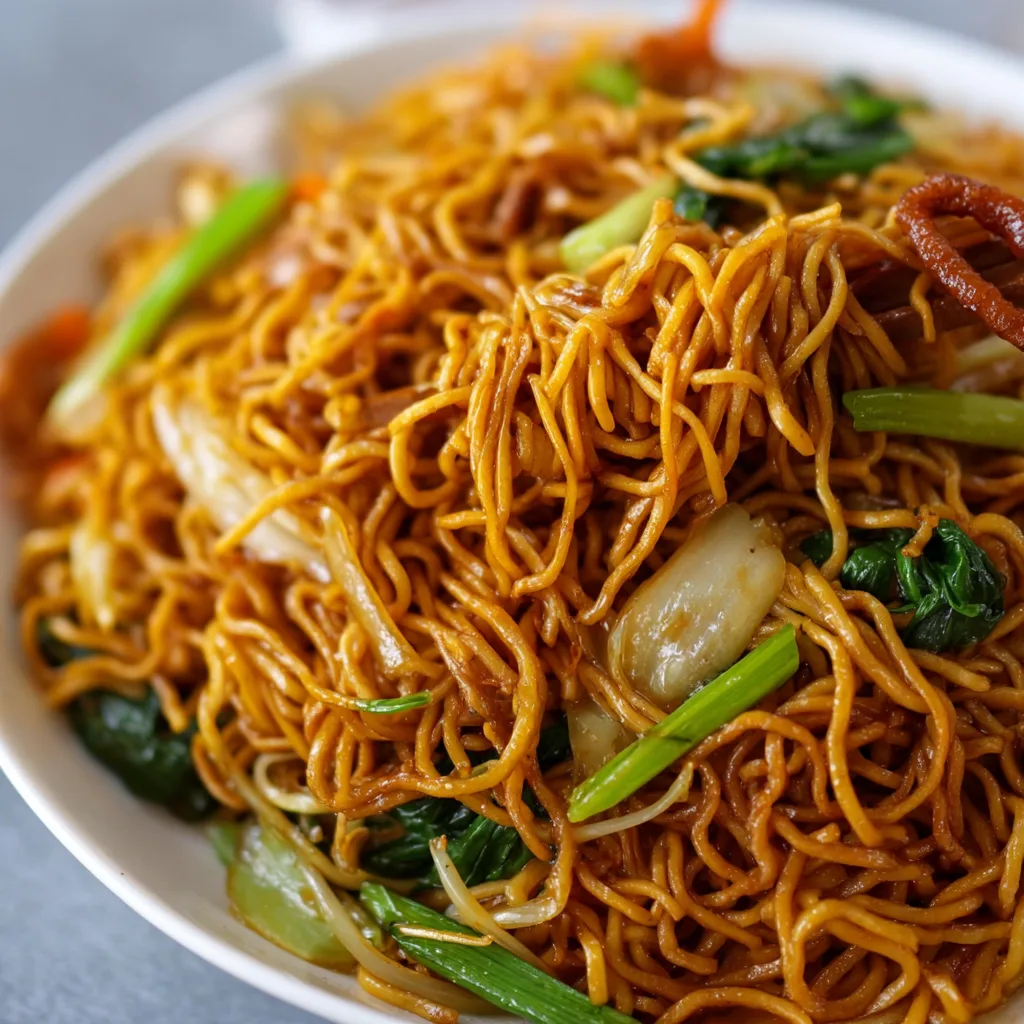
Cantonese Soy Sauce Chow Mein brings the authentic flavors of Guangdong straight to your home kitchen. This beloved dish combines silky noodles with a savory, umami-rich soy sauce that coats every strand with mouthwatering flavor. Unlike American-Chinese chow mein, the Cantonese version emphasizes the beautiful simplicity of properly cooked noodles with minimal ingredients. The first time I tasted authentic soy sauce chow mein in Hong Kong, I was stunned by how something so simple could taste so complex. The secret lies in the wok hei – that magical smoky essence that comes from high-heat wok cooking. Let me show you how to create this irresistible dish at home!
Table of Contents
Recipe
Print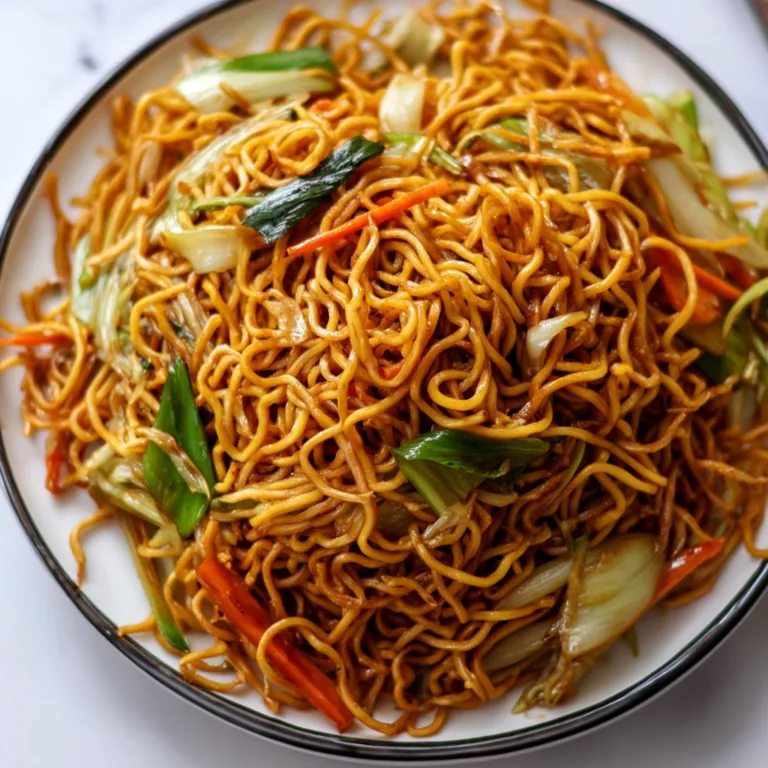
Authentic Cantonese Soy Sauce Chow Mein Recipe
This Authentic Cantonese Soy Sauce Chow Mein is simple, savory, and full of umami flavor. Stir-fried noodles are tossed with soy sauce, garlic, and vegetables for a quick and delicious meal.
- Total Time: 20 minutes
- Yield: 2 servings 1x
Ingredients
For the Noodles:
200 g egg noodles
For the Stir-Fry:
1 tablespoon oil
2 cloves garlic (minced)
1/2 cup cabbage (shredded)
1/2 cup bean sprouts
2 green onions (chopped)
For the Sauce:
2 tablespoons soy sauce
1 tablespoon oyster sauce
1 teaspoon sugar
1 teaspoon sesame oil
Optional:
Chicken or shrimp
Chili flakes
Instructions
1. Cook noodles according to package instructions, then drain.
2. Heat oil in a pan or wok over high heat.
3. Add garlic and stir-fry for 30 seconds.
4. Add cabbage and cook briefly.
5. Add noodles and toss well.
6. Pour in soy sauce, oyster sauce, sugar, and sesame oil.
7. Add bean sprouts and green onions.
8. Stir-fry everything for 2–3 minutes.
9. Serve hot with optional protein or chili flakes.
Notes
Use high heat for authentic wok flavor.
Do not overcook vegetables to keep them crisp.
Use fresh noodles for best texture.
Serve immediately.
- Prep Time: 10 minutes
- Cook Time: 10 minutes
- Category: Main Course
- Method: Stir-Fry
- Cuisine: Chinese
Nutrition
- Serving Size: 1 serving
- Calories: 420
- Sugar: 4 g
- Sodium: 720 mg
- Fat: 12 g
- Saturated Fat: 2 g
- Unsaturated Fat: 9 g
- Trans Fat: 0 g
- Carbohydrates: 60 g
- Fiber: 3 g
- Protein: 14 g
- Cholesterol: 40 mg
Keywords: soy sauce chow mein, cantonese noodles recipe, easy stir fry noodles, homemade chow mein, asian noodle dish
Why You’ll Love This Cantonese Soy Sauce Chow Mein
Perfect Balance of Flavors and Textures
There’s something utterly magical about the way these noodles come together. The dark soy sauce adds a beautiful caramel color while light soy brings that perfect saltiness. What I adore most is how the noodles develop those crispy edges while maintaining a tender bite in the center. The subtle sweetness from oyster sauce balances the savory elements perfectly. When you take that first bite, you’ll experience a harmony of textures – from the slight chew of the noodles to the crispness of the bean sprouts. It’s comfort food that somehow feels both homey and restaurant-quality at the same time.
Quick and Adaptable for Weeknight Meals
This chow mein comes together in just 20 minutes, making it perfect for those evenings when you’re craving something delicious but don’t have hours to spend in the kitchen. The basic recipe is incredibly versatile – add protein like shrimp, chicken, or tofu to make it heartier, or clean out your vegetable drawer with whatever you have on hand. I often make this on busy Wednesdays when my energy is flagging but I still want something that feels special. The simplicity means even kitchen beginners can master it quickly, while the technique gives experienced cooks room to perfect their wok skills.
Essential Tips & Tricks
Noodle Selection and Preparation
Choosing the right noodles is absolutely crucial for authentic Cantonese Soy Sauce Chow Mein. Look for fresh egg noodles labeled “Hong Kong-style” or “chow mein noodles” in the refrigerated section of Asian markets. These have the perfect thickness and texture. If using dried noodles, select thin Chinese egg noodles rather than thick lo mein style. The pre-cooking step is essential – boil them for exactly 1 minute less than package directions, then immediately rinse under cold water to stop cooking. This prevents them from becoming mushy when stir-fried. Pat them dry before adding to your wok to avoid splattering and achieve that beautiful sear.
Mastering Wok Technique
The signature flavor of Cantonese chow mein comes from proper wok hei – that smoky, charred essence that develops at high temperatures. Preheat your wok until it’s smoking hot before adding oil, which should shimmer immediately. Work in batches if needed – overcrowding the pan lowers the temperature and leads to soggy noodles. The key technique is to spread the noodles in a thin layer and let them sear for 30-45 seconds before tossing. This creates those delicious crispy edges that make hot honey chicken cutlets so irresistible. When adding sauce, drizzle it around the sides of the wok so it caramelizes slightly before hitting the noodles.
Serving Ideas & Creative Variations
Perfect Pairings and Garnishes
Serve your Cantonese Soy Sauce Chow Mein on a large platter family-style, allowing everyone to appreciate its beautiful glossy appearance. For an authentic experience, pair with simple sides like Chinese greens in oyster sauce or a light soup. Fresh garnishes elevate the dish beautifully – try thinly sliced scallions, a sprinkle of toasted sesame seeds, or even some crispy fried garlic chips for texture contrast. I love adding a small dish of chili oil on the side for those who want a bit of heat. The simplicity of this dish makes it perfect alongside sauteed bok choy for a complete meal that feels like a special occasion.
Regional and Modern Adaptations
While traditional Cantonese chow mein is beautifully simple, there are countless delicious variations to explore. For a Singapore-inspired version, add a teaspoon of curry powder to your sauce mixture for warmth and color. Taiwanese-style often includes a handful of julienned vegetables like carrots and bell peppers for extra brightness. For a modern twist, try adding crispy shallots or a drizzle of chili crisp oil just before serving. My family loves when I add thinly sliced lap cheong (Chinese sausage) for a sweet-savory element. Don’t be afraid to make it your own – the beauty of this dish is how it can evolve while maintaining its essential character.
Storage & Troubleshooting Guide
Proper Storage and Reheating Methods
Cantonese Soy Sauce Chow Mein is best enjoyed fresh from the wok, but leftovers can still be delicious when handled properly. Store cooled noodles in an airtight container in the refrigerator for up to 2 days. The texture will change slightly as the noodles absorb more moisture, but this doesn’t affect the flavor. When reheating, a quick stir-fry in a hot wok is ideal – add a splash of water and a few drops of soy sauce to refresh the flavors. Avoid microwaving if possible, as it makes the noodles soggy. If you must use a microwave, cover with a damp paper towel and heat in 30-second intervals, tossing between each.
Common Issues and Easy Fixes
The most frequent challenge with homemade chow mein is noodles that stick together or become too soft. If your noodles clump, try tossing them with a teaspoon of oil after draining and before stir-frying. For noodles that turned out too soft, next time reduce boiling time by 30 seconds and ensure they’re well-drained. If your dish lacks that authentic wok flavor, your pan likely wasn’t hot enough – let it heat longer before adding ingredients. Too salty? Balance with a teaspoon of sugar or a splash of water. Too dry? Mix equal parts oyster sauce and water, then drizzle over the noodles while tossing to distribute evenly.
Frequently Asked Questions
What makes Cantonese Soy Sauce Chow Mein different from other chow mein recipes?
Cantonese Soy Sauce Chow Mein focuses on highlighting the noodles themselves with a simple, balanced sauce. It typically uses fewer vegetables and emphasizes wok hei (breath of the wok) for that distinctive smoky flavor.
Can I make this dish gluten-free?
Yes! Use rice noodles or 100% buckwheat soba and substitute tamari for soy sauce. Check that your oyster sauce is gluten-free or use a mushroom-based vegetarian “oyster” sauce.
What’s the best protein to add to Cantonese Soy Sauce Chow Mein?
Traditional options include shrimp, sliced char siu pork, or chicken. For vegetarian versions, firm tofu or seitan work beautifully. Whatever you choose, cook it separately first for best texture.
How do I prevent my noodles from becoming mushy?
Undercook noodles slightly when boiling, rinse immediately with cold water, and ensure your wok is smoking hot before adding them. Work quickly and avoid overcrowding the pan.
Can I prepare components of this dish ahead of time?
Absolutely! Pre-boil and drain noodles up to a day ahead (toss with a little oil to prevent sticking), and mix sauce ingredients in advance. The final stir-fry should still be done just before serving.
Final Thoughts
Cantonese Soy Sauce Chow Mein may seem simple, but it’s truly a canvas for developing your cooking intuition. Each time you make it, you’ll learn something new about heat control, timing, and the dance of flavors. I find myself craving these noodles on rainy evenings when I want something that wraps me in comfort but still feels special. The beauty lies in its adaptability – make it your own while respecting the traditional techniques that give it soul. For more inspiration, check out my Pinterest board where I’ve collected variations from across Asia. Happy wok cooking!