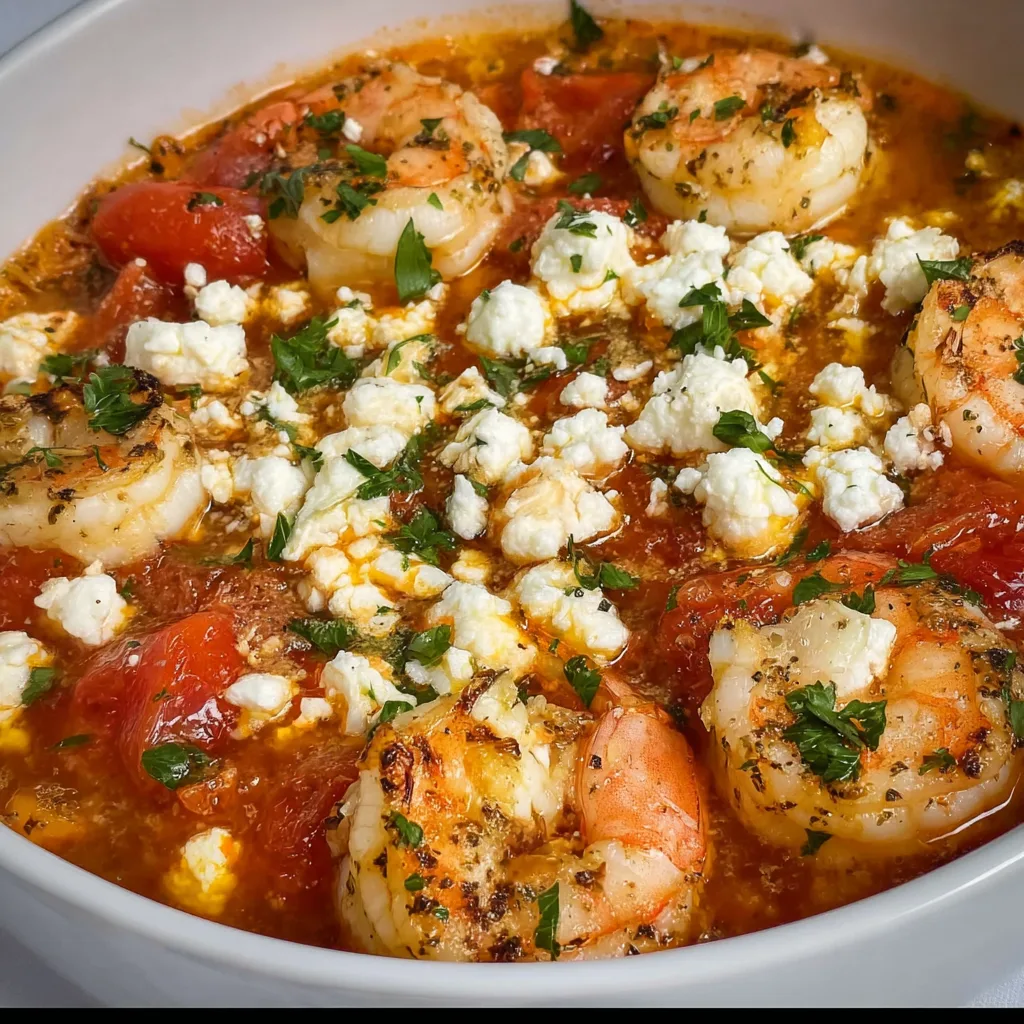
Authentic Greek Shrimp Saganaki brings the sun-drenched flavors of the Mediterranean right to your dinner table. This classic Greek dish combines plump, succulent shrimp with a rich tomato sauce infused with garlic, herbs, and the distinctive tang of feta cheese. The first time I made this dish, the aroma transported me straight to a seaside taverna in Santorini. There’s something magical about that moment when the bubbling sauce meets the crusty bread – pure comfort in every bite. If you’re looking for a quick yet impressive meal that feels like a mini-vacation, this recipe is your ticket to Greece tonight!
Table of Contents
Recipe
Print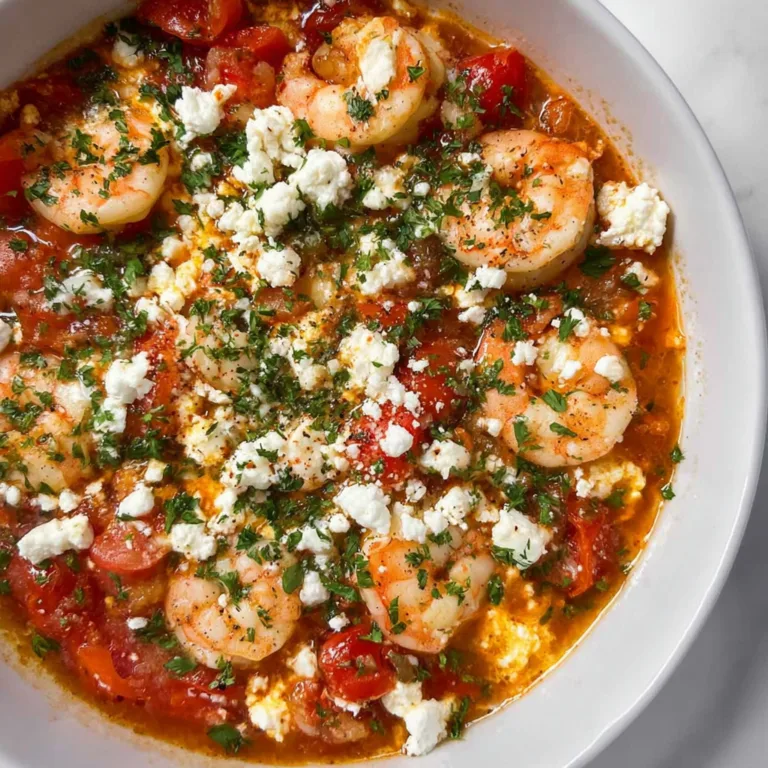
Authentic Greek Shrimp Saganaki Recipe
This Authentic Greek Shrimp Saganaki is a bold, briny, and comforting Mediterranean seafood dish. Juicy shrimp are simmered in a garlicky tomato sauce with herbs, white wine, and crumbled feta cheese. Served bubbling hot in a skillet, it’s perfect with crusty bread or over orzo.
- Total Time: 30 minutes
- Yield: 4 servings 1x
Ingredients
1 lb large shrimp, peeled and deveined
2 tbsp olive oil
1/2 small onion, finely chopped
3 garlic cloves, minced
1/2 tsp red pepper flakes (optional)
1/2 cup dry white wine
1 can (14 oz) crushed tomatoes
1 tbsp tomato paste
1/2 tsp dried oregano
Salt and pepper, to taste
1/2 cup crumbled feta cheese
2 tbsp chopped fresh parsley
Lemon wedges and crusty bread, for serving
Instructions
1. Heat olive oil in a skillet over medium heat. Add onion and sauté until soft, about 3–4 minutes.
2. Add garlic and red pepper flakes, sauté 1 minute.
3. Pour in white wine and simmer for 2 minutes to reduce slightly.
4. Stir in crushed tomatoes, tomato paste, oregano, salt, and pepper. Simmer uncovered for 10–12 minutes until thickened.
5. Add shrimp to the sauce in a single layer. Simmer gently for 4–5 minutes, flipping once, until shrimp are pink and cooked through.
6. Sprinkle with crumbled feta and cover for 1–2 minutes until cheese starts to melt.
7. Garnish with parsley and serve immediately with lemon wedges and bread.
Notes
Use wild-caught shrimp for best flavor.
Don’t overcook the shrimp—once pink and curled, they’re done.
For extra brininess, stir in a few olives or capers.
- Prep Time: 10 minutes
- Cook Time: 20 minutes
- Category: Main Course, Seafood, Mediterranean
- Method: Sautéing, Simmering
- Cuisine: Greek, Mediterranean
Nutrition
- Serving Size: 1/4 recipe
- Calories: 290
- Sugar: 5g
- Sodium: 580mg
- Fat: 17g
- Saturated Fat: 6g
- Unsaturated Fat: 10g
- Trans Fat: 0g
- Carbohydrates: 9g
- Fiber: 2g
- Protein: 24g
- Cholesterol: 165mg
Keywords: shrimp saganaki, greek seafood recipe, feta tomato shrimp, mediterranean shrimp skillet
Why You’ll Love This Authentic Greek Shrimp Saganaki
A Flavor Symphony in One Pan
This dish is a perfect flavor explosion that comes together in just one pan! The sweet tomatoes create a luscious base while the briny feta adds a creamy, tangy contrast that perfectly complements the shrimp. I love how the oregano and fresh dill add that unmistakable Greek character. When my kitchen fills with the aroma of garlic and herbs simmering in olive oil, even my pickiest eaters come wandering in. The best part? You’ll have dinner on the table in under 30 minutes, making it perfect for both weeknight dinners and special occasions.
Versatile and Impressive
Authentic Greek Shrimp Saganaki is incredibly versatile and always impressive. You can adjust the heat level with more or less red pepper flakes, substitute different herbs based on what you have, or even swap the shrimp for scallops in a pinch. I’ve served this for casual family dinners and elegant dinner parties alike – it always gets rave reviews. The vibrant colors make for a beautiful presentation, especially when served straight from the skillet with a sprinkle of fresh herbs. Trust me, your guests will think you spent hours in the kitchen!
Essential Tips & Tricks
Selecting and Preparing the Perfect Shrimp
The foundation of amazing saganaki is using high-quality shrimp. I recommend medium to large shrimp (21-25 count per pound) for the best texture. Fresh is wonderful, but frozen shrimp work beautifully too – just thaw them completely and pat dry before cooking. Always devein your shrimp and consider leaving the tails on for presentation and added flavor. The key mistake to avoid is overcooking! Shrimp need just 2-3 minutes per side until they turn pink and opaque. I learned this lesson the hard way during my first attempt – rubbery shrimp are nobody’s friend.
Creating the Perfect Tomato Base
The tomato sauce is the heart of this dish, so don’t rush this step. Start with good quality canned tomatoes – San Marzano if you can find them – or fresh, ripe tomatoes in summer. Allow the sauce to simmer for at least 10-15 minutes before adding the shrimp to develop deep flavor. This is where roasted garlic can elevate your dish even further. I like to crush some of the tomatoes with my spoon while leaving others whole for textural contrast. Remember to taste and adjust seasonings before adding the shrimp – the sauce should be vibrant and well-balanced.
Serving Ideas & Creative Variations
Perfect Pairings and Presentation
Serve your Authentic Greek Shrimp Saganaki straight from the skillet for a rustic presentation that never fails to impress. Crusty bread is absolutely essential for sopping up that incredible sauce – I prefer a good sourdough or ciabatta. For a complete meal, consider serving with a simple Greek salad or Italian Chopped Salad on the side. If you’re hosting a dinner party, small individual skillets create a stunning presentation. Don’t forget a glass of crisp white wine like Assyrtiko or Sauvignon Blanc to complement those Mediterranean flavors!
Exciting Twists on the Classic
While the traditional recipe is perfection, there are several delicious variations worth trying. For a spicier version, add a diced jalapeño or a generous pinch of Aleppo pepper. Seafood lovers can create a mixed saganaki with a combination of shrimp, mussels, and calamari. For a heartier meal, add diced eggplant or zucchini to the sauce as it simmers. My family’s favorite twist is adding a splash of ouzo or white wine to the tomato sauce for extra depth. You can even transform leftovers into an amazing pasta sauce the next day!
Storage & Troubleshooting Guide
Proper Storage and Reheating
Shrimp Saganaki is best enjoyed fresh from the skillet, but leftovers can be stored in an airtight container in the refrigerator for up to 2 days. To reheat, use a skillet over medium-low heat rather than the microwave to prevent the shrimp from becoming tough. Add a splash of water or stock if the sauce has thickened too much. I’ve found that the flavors actually develop beautifully overnight, though the texture of the shrimp will never be quite as perfect as when freshly made. For food safety, never refreeze previously frozen shrimp after cooking.
Common Issues and Easy Fixes
The most common problem is overcooked shrimp – they should be pink and just opaque, not tight and rubbery. If your sauce is too watery, simmer it uncovered a bit longer before adding the shrimp. Too thick? Add a splash of broth or wine. If your dish lacks flavor, try adding more salt (feta varies in saltiness), a squeeze of lemon juice, or extra herbs. Sometimes the tomatoes can be too acidic – a tiny pinch of sugar can balance this beautifully. And if you accidentally oversalt, a dollop of Greek yogurt served alongside can help temper the saltiness.
Frequently Asked Questions
What is Authentic Greek Shrimp Saganaki?
Authentic Greek Shrimp Saganaki is a traditional Mediterranean dish featuring shrimp cooked in a tomato-based sauce with garlic, herbs, and topped with feta cheese, typically served bubbling hot with crusty bread.
Can I make this dish ahead of time?
Yes, you can prepare the tomato sauce up to 2 days ahead. When ready to serve, reheat the sauce, then add fresh shrimp and feta for the final cooking.
What’s the best cheese to use?
Traditional Greek feta made from sheep’s milk provides the most authentic flavor. Look for cheese stored in brine rather than pre-crumbled varieties for better texture and taste.
Is this dish spicy?
The traditional version has a mild heat from red pepper flakes. You can easily adjust the spice level by adding more or omitting them entirely based on your preference.
Can I substitute the shrimp with other seafood?
Absolutely! Scallops, firm white fish like cod, or a seafood medley all work beautifully in this dish. Just adjust cooking times according to the seafood you choose.
Final Thoughts
There’s something truly special about Authentic Greek Shrimp Saganaki – it’s a dish that captures the essence of Mediterranean cooking with minimal effort. The combination of sweet tomatoes, briny feta, and perfectly cooked shrimp creates a memorable meal that feels like a vacation for your taste buds. Whether you’re cooking for a quiet night in or hosting friends, this dish delivers restaurant-quality results every time. I hope you’ll give this recipe a try and experience a little piece of Greece in your own kitchen! For more Mediterranean inspiration, check out my Pinterest board.