
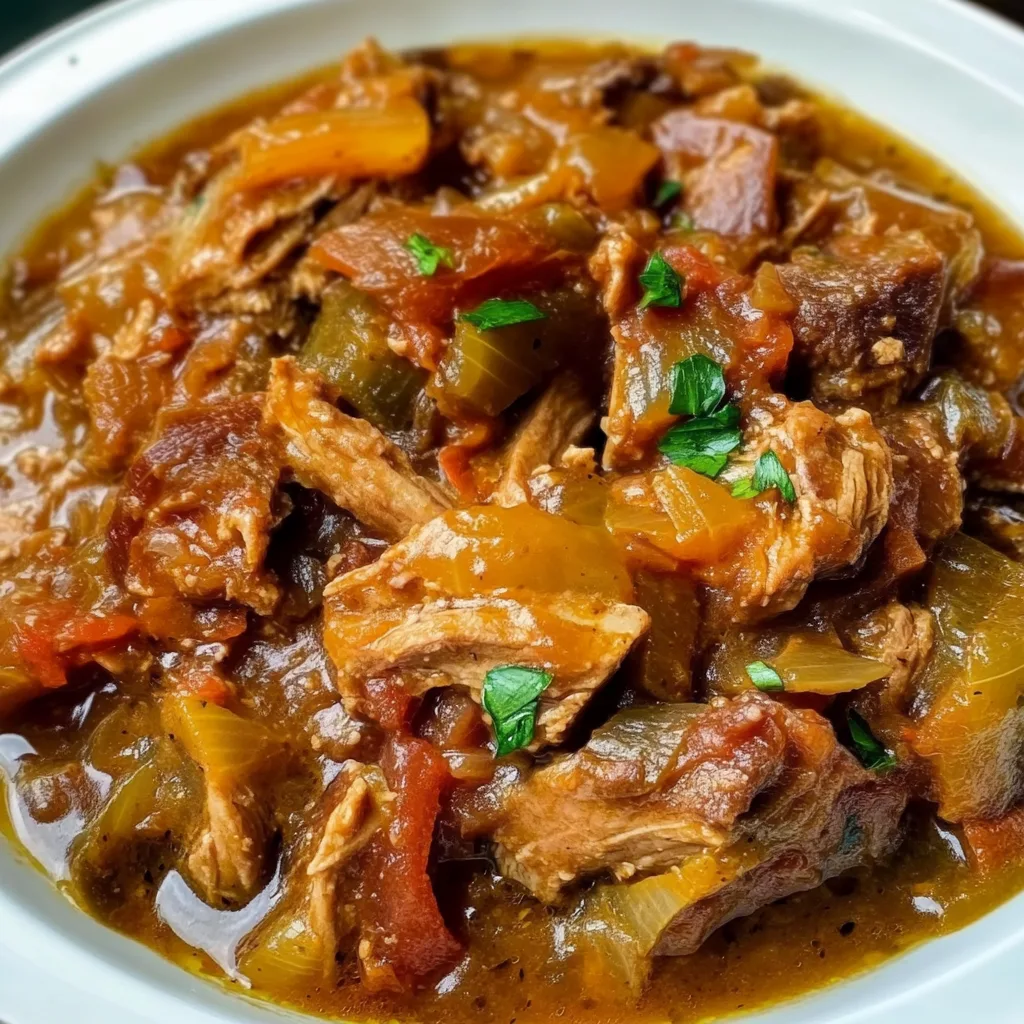
BIGOS STEW, often called Poland’s national dish, has captured my heart with its rich tapestry of flavors that only deepen with time. The first time I tasted this hearty hunter’s stew, I was transported to a snowy evening by a crackling fireplace, even though I was actually in my tiny apartment kitchen! This soul-warming dish combines sauerkraut, various meats, mushrooms, and dried plums into something truly magical. Like my Italian Penicillin Soup, bigos stew improves over days, making it perfect for meal prep and cozy gatherings.
Table of Contents
Recipe
Print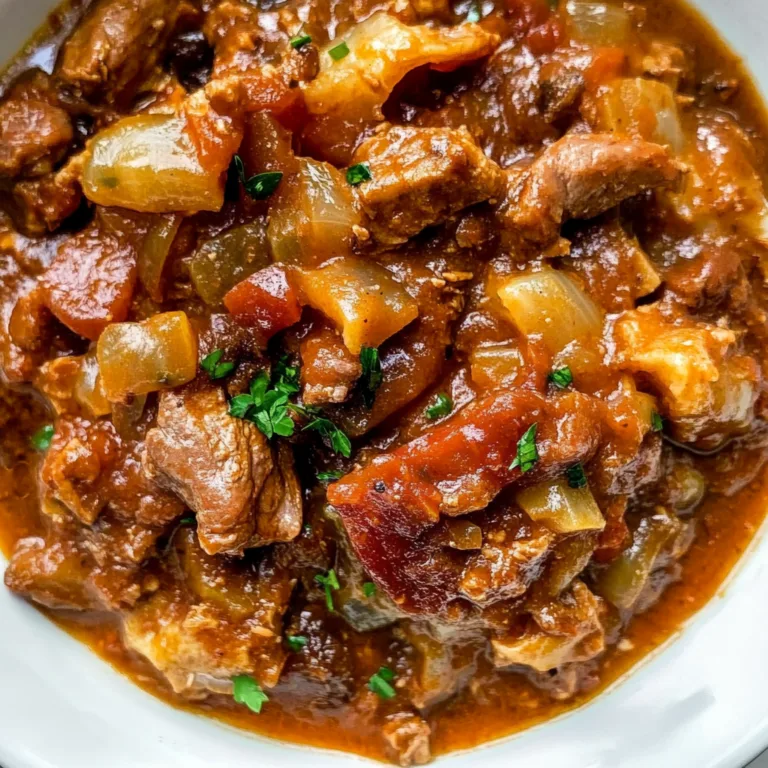
Traditional Bigos Stew Recipe | Authentic Polish Hunter’s Stew Guide
Traditional Bigos Stew, also known as Polish Hunter’s Stew, is a rich and hearty dish made with sauerkraut, fresh cabbage, and a mix of meats slowly simmered to perfection. Deeply savory, slightly tangy, and packed with layers of flavor, this authentic Polish classic gets even better with time.
- Total Time: 2 hours 20 minutes
- Yield: 6 servings 1x
Ingredients
500 g sauerkraut, drained and chopped
500 g white cabbage, shredded
400 g pork shoulder, cubed
300 g kielbasa sausage, sliced
150 g smoked bacon, diced
1 large onion, chopped
2 cloves garlic, minced
2 tbsp tomato paste
1 tsp sweet paprika
1/2 tsp caraway seeds
2 bay leaves
1 tbsp vegetable oil
2 cups beef or pork broth
Salt and black pepper, to taste
Instructions
1. Heat oil in a large pot over medium heat.
2. Add bacon and cook until fat is rendered.
3. Add pork and brown on all sides.
4. Stir in onion and cook until softened.
5. Add garlic, tomato paste, paprika, and caraway seeds.
6. Add sauerkraut, fresh cabbage, bay leaves, and broth.
7. Bring to a gentle simmer, cover, and cook for 1 1/2–2 hours, stirring occasionally.
8. Season with salt and pepper to taste.
9. Serve hot.
Notes
• Bigos tastes even better the next day.
• Traditionally served with rye bread or potatoes.
• Can be frozen and reheated without losing flavor.
- Prep Time: 20 minutes
- Cook Time: 2 hours
- Category: Stew
- Method: Simmered
- Cuisine: Polish
Nutrition
- Serving Size: 1 bowl
- Calories: 540
- Sugar: 6g
- Sodium: 920mg
- Fat: 38g
- Saturated Fat: 14g
- Unsaturated Fat: 20g
- Trans Fat: 0g
- Carbohydrates: 14g
- Fiber: 4g
- Protein: 32g
- Cholesterol: 135mg
Keywords: bigos stew, polish hunters stew, traditional polish bigos
Why You’ll Love This BIGOS STEW
A Symphony of Complex Flavors
The magic of bigos lies in its incredible depth of flavor that develops as the ingredients mingle together. The tanginess of sauerkraut mellows and melds with smoky kielbasa, tender pork, and earthy mushrooms. I love how the dried plums (prunes) add subtle sweetness that balances the sour notes. My grandmother taught me that patience is key—this isn’t a rushed weeknight meal but a labor of love that rewards you with each passing day. The aroma that fills your kitchen while it simmers will have everyone asking what’s cooking!
Versatile & Forgiving Recipe
What I adore about bigos stew is how wonderfully adaptable it is to whatever you have on hand. No kielbasa? Use smoked sausage or even leftover holiday ham. The traditional recipe welcomes improvisation—add more cabbage if you’re short on sauerkraut or throw in those mushrooms that need using up. I once made it during a snowstorm with only pantry staples and it was still magnificent! This forgiving nature makes it perfect for beginners and experienced cooks alike.
Essential Tips & Tricks
The Secret to Perfect Texture
Achieving the ideal texture in bigos requires understanding the cooking progression. Start by sautéing your meats until they develop a rich brown crust—this builds foundational flavor that can’t be added later. I learned the hard way that rushing this step results in a pale, less complex stew. Allow the sauerkraut to cook down slowly, as it needs time to soften and mellow. Like my Creamy Lemon Garlic Pan-Seared Scallops, patience with technique transforms simple ingredients into something extraordinary.
Balancing Sour & Sweet Elements
The hallmark of exceptional bigos stew is finding that perfect harmony between sour and sweet notes. If your sauerkraut is particularly tangy, rinse it lightly or add more fresh cabbage to temper the acidity. The dried fruits (prunes or dried apples) aren’t just traditional—they’re crucial for balancing flavors. I always taste as I go, adjusting with a splash of honey if needed. Remember that tomato paste adds both umami and subtle sweetness, while a dash of good wine brings everything together beautifully.
Serving Ideas & Creative Variations
Traditional Polish Accompaniments
Serve your steaming bigos in deep bowls alongside crusty rye bread that can soak up the rich sauce—this is non-negotiable in my household! For authentic Polish presentation, add a dollop of sour cream and sprinkle with fresh dill or parsley. I love setting out small dishes of pickled vegetables and horseradish for guests to customize their bowls. When I visited my cousin in Warsaw, she taught me to serve it with a shot of ice-cold vodka on the side—a tradition I’ve happily adopted for dinner parties!
Modern Fusion Approaches
While I respect tradition, I also enjoy creating contemporary twists on this classic. Try serving bigos over creamy polenta or mashed potatoes instead of bread for a comforting fusion dish. For a lighter option similar to my Cheesy Broccoli Cheddar Soup, spoon it over roasted cauliflower steaks. I’ve even used leftover bigos as a savory filling for pierogi or stuffed into baked potatoes with melted cheese on top—absolutely divine for transforming leftovers into something new and exciting!
Storage & Troubleshooting Guide
Maximizing Flavor Through Storage
Bigos stew isn’t just good as leftovers—it’s significantly better. Store it in airtight containers in the refrigerator for up to 5 days, reheating portions as needed. The flavor development that happens during this time is remarkable! I always make a double batch and freeze portions in freezer-safe bags for up to 3 months. My favorite trick is to reheat it slowly on the stovetop with a splash of broth to maintain the perfect consistency—microwaving works in a pinch but doesn’t distribute the heat as evenly.
Fixing Common Issues
If your bigos seems too watery, simply simmer it uncovered until it reaches your desired thickness. The reduction process concentrates flavors while evaporating excess liquid. Conversely, if it’s too dry, add small amounts of broth, wine, or even apple juice. Should the flavor be too sour, balance it with a teaspoon of honey or brown sugar. I once salvaged an overly acidic batch by adding diced apples and a pinch of cinnamon—it became a happy accident that my family now requests specifically!
Frequently Asked Questions
What is traditional BIGOS STEW made of?
Traditional bigos combines sauerkraut, fresh cabbage, various meats (kielbasa, pork, sometimes beef), mushrooms, dried fruits, and spices. The ingredients simmer together, creating a complex, deeply flavored hunter’s stew.
How long should bigos cook for best flavor?
For optimal flavor, simmer bigos for at least 2-3 hours initially. However, it truly shines when refrigerated overnight and reheated for 2-3 consecutive days, developing richer taste each time.
Can I make bigos stew in a slow cooker?
Absolutely! Brown the meats first, then combine all ingredients in your slow cooker. Cook on low for 6-8 hours for tender meats and perfectly melded flavors.
Is bigos stew gluten-free?
Most traditional bigos recipes are naturally gluten-free, but always check your sausage and any added condiments for hidden gluten ingredients or cross-contamination.
What wine pairs best with bigos?
A medium-bodied red with good acidity works beautifully—try a Polish Zweigelt, Hungarian Bull’s Blood, or an accessible Pinot Noir to complement the stew’s complex flavors.
Final Thoughts
There’s something truly magical about the way BIGOS STEW transforms humble ingredients into a celebration of flavor and tradition. Each time I make it, I’m reminded of how food connects us across generations and borders. This heritage recipe rewards patience and improves with time—much like the best things in life. I hope you’ll embrace the process, make it your own, and create memories around your table with this beloved Polish classic. For more cozy recipes that warm both body and soul, visit my Pinterest collection of comfort foods from around the world.