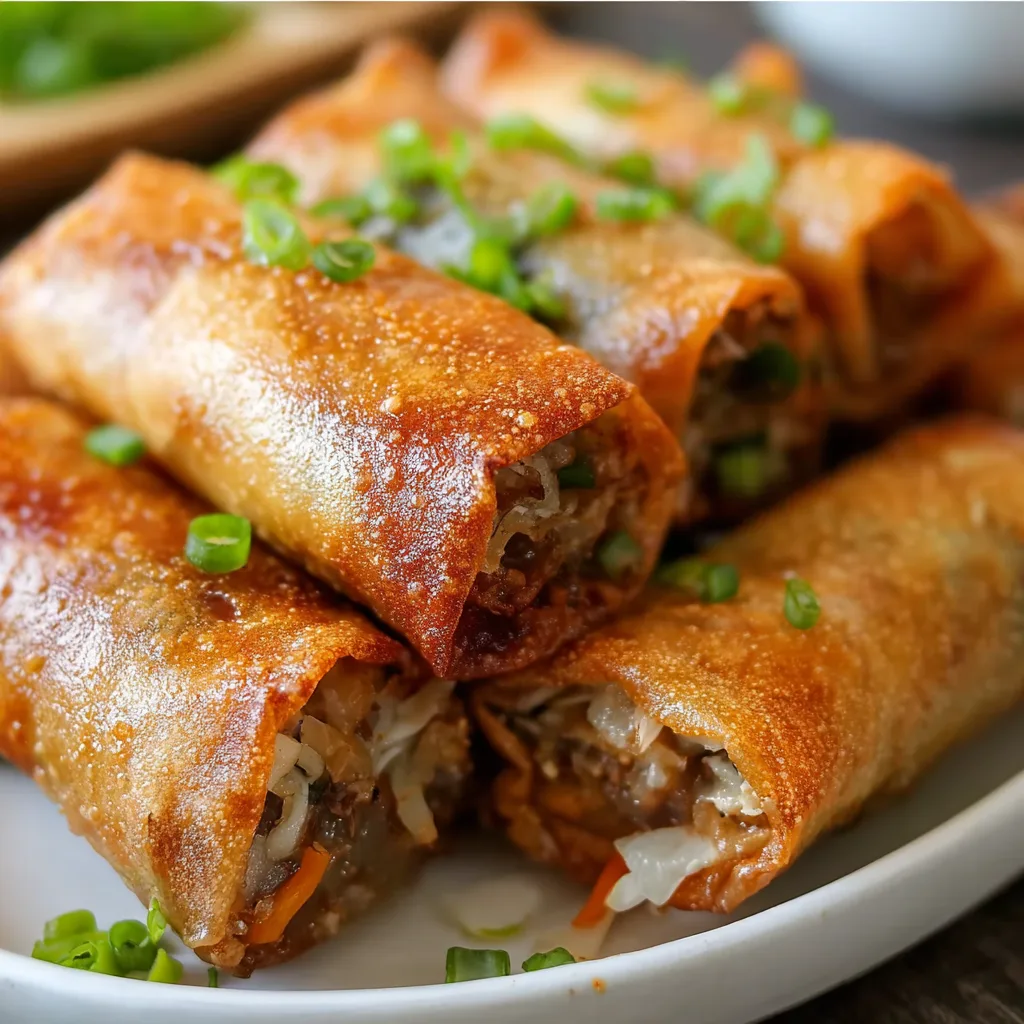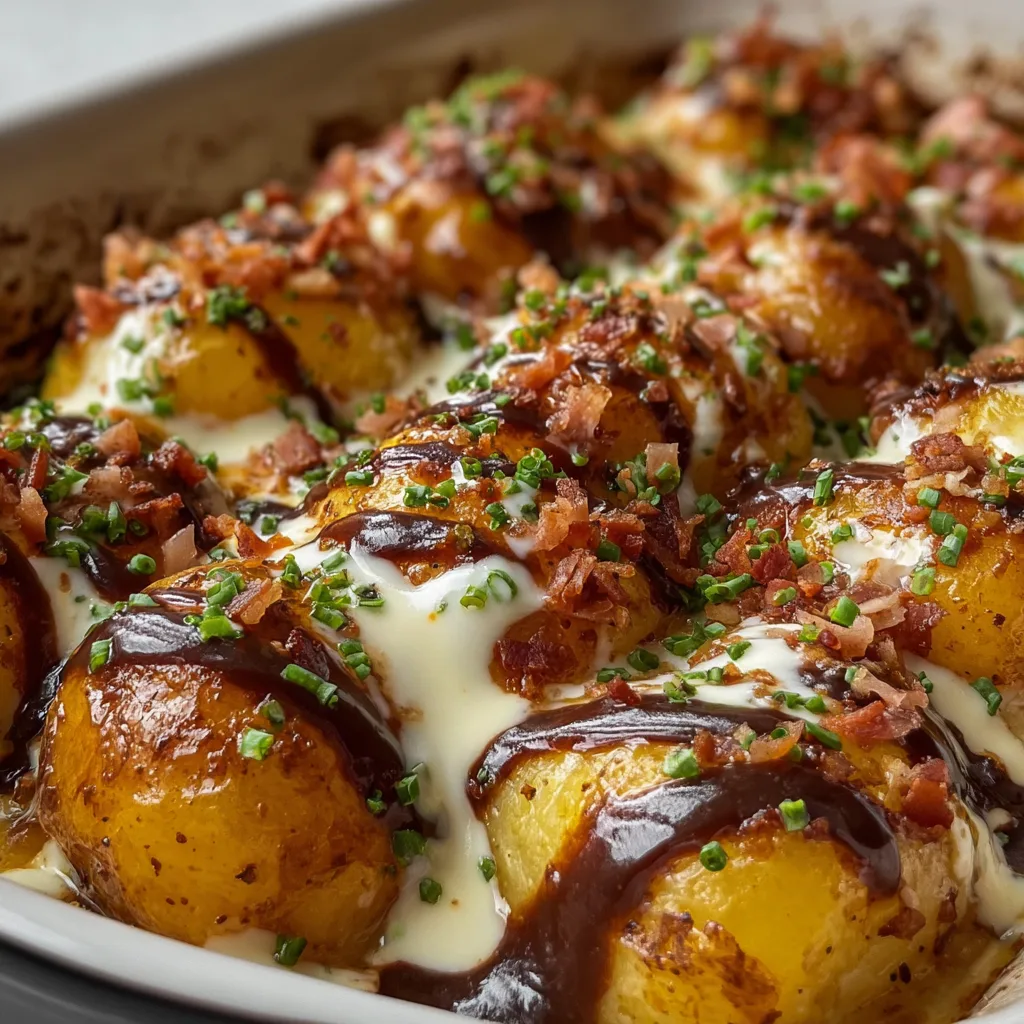
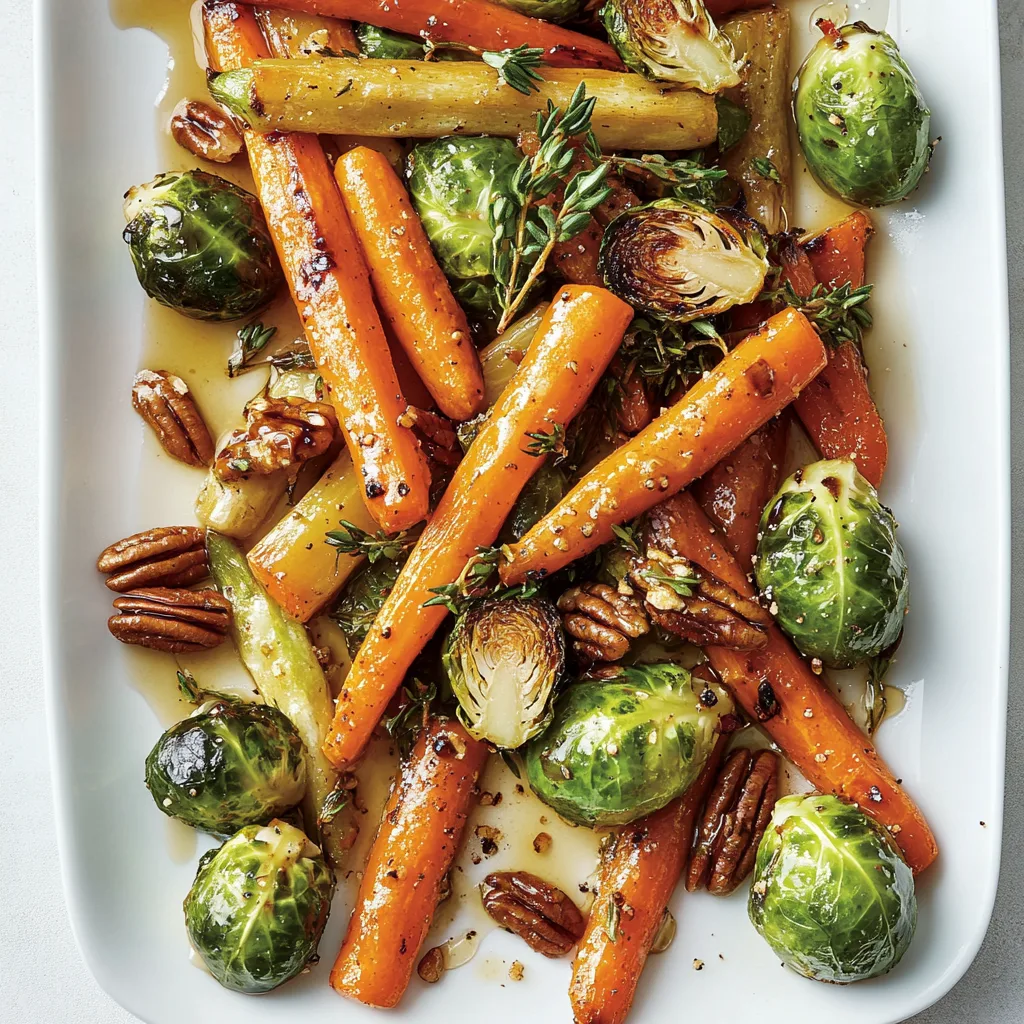
Christmas vegetables side dishes transform an ordinary holiday meal into a spectacular feast. As the aroma of roasting vegetables mingles with the scent of pine and cinnamon, there’s something magical about these colorful companions to your festive main course. I still remember my grandmother’s kitchen, warm and bustling, as she prepared her famous maple-glazed carrots that made even the most vegetable-averse cousins reach for seconds. Today, I’m sharing my favorite veggie sides that bring both nutrition and joy to your holiday table. These recipes strike the perfect balance between tradition and creativity, ensuring your Christmas feast feels complete.
Table of Contents
Recipe
Print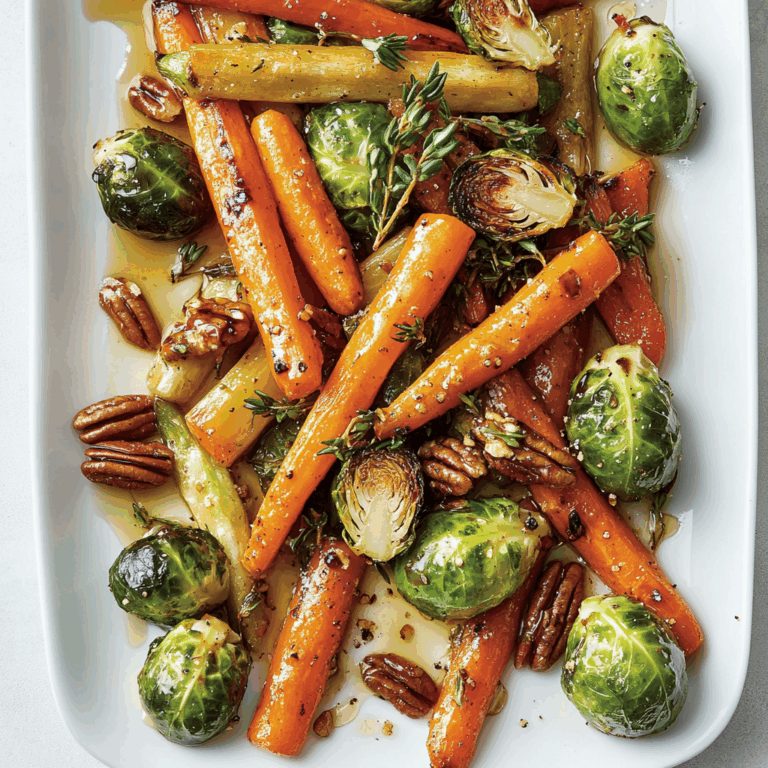
Delicious Christmas Vegetable Side Dishes Recipes for Holiday Meals
These delicious Christmas vegetable side dishes bring festive flavor, color, and comfort to your holiday table. From roasted carrots to creamy Brussels sprouts and buttery green beans, this collection includes easy, crowd-pleasing veggie sides perfect for Christmas dinner.
- Total Time: 45 minutes
- Yield: 6 servings 1x
Ingredients
ROASTED HONEY CARROTS:
1 pound carrots, peeled and sliced
2 tablespoons honey
1 tablespoon olive oil
1 teaspoon cinnamon
Salt and pepper, to taste
GARLIC PARMESAN BRUSSELS SPROUTS:
1 pound Brussels sprouts, halved
2 tablespoons butter
2 cloves garlic, minced
1/4 cup grated Parmesan
Salt and pepper, to taste
HOLIDAY GREEN BEANS:
1 pound green beans, trimmed
1 tablespoon butter
1 tablespoon olive oil
1/4 cup sliced almonds
Salt and pepper, to taste
Instructions
1. FOR ROASTED HONEY CARROTS:
2. Preheat oven to 400°F (200°C). Toss carrots with honey, olive oil, cinnamon, salt, and pepper. Bake 20–25 minutes until tender and caramelized.
3.
4. FOR GARLIC PARMESAN BRUSSELS SPROUTS:
5. Sauté Brussels sprouts in butter for 8–10 minutes. Add garlic and cook 1 minute. Stir in Parmesan and season to taste.
6.
7. FOR HOLIDAY GREEN BEANS:
8. Blanch green beans 3 minutes. Sauté almonds until toasted, then toss green beans in butter and season to taste.
9.
10. Serve all three dishes warm as part of your holiday spread.
Notes
Add rosemary or thyme for extra holiday flavor.
Maple syrup works great instead of honey.
Prepare veggies ahead to save time on Christmas Day.
- Prep Time: 15 minutes
- Cook Time: 30 minutes
- Category: Side Dish
- Method: Roasted / Sautéed
- Cuisine: American
- Diet: Vegetarian
Nutrition
- Serving Size: 1 portion
- Calories: 180
- Sugar: 10g
- Sodium: 160mg
- Fat: 9g
- Saturated Fat: 4g
- Unsaturated Fat: 5g
- Trans Fat: 0g
- Carbohydrates: 20g
- Fiber: 4g
- Protein: 4g
- Cholesterol: 10mg
Keywords: christmas vegetable sides, holiday veggie recipes, festive vegetable dishes, easy christmas sides
Why You’ll Love These Christmas Vegetables Side Dishes
Perfect Balance of Tradition and Innovation
These festive vegetable dishes honor beloved holiday traditions while introducing exciting new flavors. The classic Brussels sprouts receive a modern makeover with balsamic glaze and crispy pancetta, creating an irresistible combination of sweet, tangy, and savory notes. I’ve carefully selected recipes that maintain the comforting familiarity of holiday standards but incorporate unexpected twists that will have your guests asking for the recipe. My personal favorite is the maple-roasted root vegetables—the way the natural sugars caramelize in the oven creates an almost dessert-like quality that pairs beautifully with savory mains.
Time-Saving Preparation Methods
Holiday cooking shouldn’t leave you exhausted before the celebration begins. These make-ahead friendly recipes allow you to prep components or entire dishes days before your gathering. The cranberry-glazed green beans can be blanched and stored two days in advance, with the glaze prepared separately and combined just before serving. Many recipes use the same oven temperature, allowing for efficient batch cooking. I’ve tested each recipe multiple times to eliminate unnecessary steps without sacrificing flavor. When my kitchen is filled with the aroma of roasting vegetables on Christmas morning, I can relax knowing the hardest work is already done.
Essential Tips & Tricks
Mastering Vegetable Roasting Techniques
The secret to perfectly roasted vegetables lies in understanding temperature and timing. For crispy exteriors and tender interiors, preheat your oven to 425°F and avoid overcrowding your pans—vegetables need space to release moisture rather than steam. Cut vegetables into uniform sizes to ensure even cooking, and toss them in oil before adding seasonings for better adhesion. My game-changing discovery was adding a tablespoon of cornstarch to root vegetables before roasting, which creates an extraordinarily crispy exterior. For delicate vegetables like Brussels sprouts, try a quick blanch before roasting to maintain that vibrant green color while achieving the perfect texture.
Strategic Seasoning Approaches
The right seasoning transforms ordinary vegetables into memorable sides. Create flavor depth by layering seasonings—start with aromatics like onions or garlic, add herbs during cooking, and finish with “bright” elements like citrus zest or vinegar. For Christmas vegetables, warming spices like nutmeg, cinnamon, and allspice create a festive profile that complements traditional mains. I learned the hard way that salt timing matters—salt root vegetables before roasting to draw out moisture, but salt delicate greens just before serving to prevent wilting. For an extra dimension, keep infused oils (rosemary, thyme, garlic) on hand to drizzle just before serving.
Serving Ideas & Creative Variations
Stunning Presentation Techniques
Transform your Christmas vegetables into a visual centerpiece by arranging them in concentric circles on a large platter, creating a beautiful color gradient from deepest purple beets to bright orange carrots. Use fresh herb sprigs, pomegranate seeds, or toasted nuts as elegant garnishes that add texture and visual interest. I love serving roasted vegetables on a bed of lightly dressed arugula—the warm vegetables slightly wilt the greens, creating a delicious contrast. For individual servings, try stacking vegetables in small towers secured with a rosemary sprig, or serve colorful medleys in hollowed-out squash halves for a stunning presentation that rivals any dessert.
Dietary Adaptations Without Compromise
Holiday gatherings often include guests with varying dietary needs, but that doesn’t mean compromising on flavor. Make your vegetable dishes inclusive by using high-quality olive oil instead of butter for dairy-free options that everyone will enjoy. For gluten-sensitive guests, thicken sauces with cornstarch or arrowroot powder rather than flour. I discovered that nutritional yeast provides a wonderful cheese-like flavor for vegan guests while adding a nutrient boost. When my sister became vegetarian, I began making my Brussels sprouts with smoked paprika and liquid smoke instead of bacon—the smoky flavor satisfies everyone while keeping the dish plant-based.
Storage & Troubleshooting Guide
Optimal Storage Solutions
Extend the life of your Christmas vegetable dishes with proper storage techniques that maintain both flavor and texture. Cool completely before refrigerating in shallow, airtight containers to prevent bacterial growth and off-flavors. Most roasted vegetables stay fresh for 3-4 days, while dressed salads should be consumed within 24 hours. For make-ahead convenience, store components separately—blanched vegetables, dressings, and toppings—and assemble just before serving. I’ve found that reheating roasted vegetables on a baking sheet at 350°F for 10 minutes works better than microwave reheating, which can make them soggy.
Quick Fixes for Common Issues
Even experienced cooks encounter challenges with vegetable dishes. If your roasted vegetables turn out soggy, increase oven temperature and use less oil next time—or try patting vegetables dry before roasting. For vegetables that cook unevenly, cut denser items (carrots, potatoes) smaller than quick-cooking ones (zucchini, bell peppers). When reheating causes vegetables to lose their vibrant color, refresh them with a sprinkle of fresh herbs or a squeeze of lemon juice. My personal rescue trick for bland vegetables is keeping flavor bombs on hand—herb-infused oils, compound butters, or quick vinaigrettes that instantly elevate any dish.
Frequently Asked Questions
How far in advance can I prepare Christmas vegetables side dishes?
Most roasted vegetables can be prepared 1-2 days ahead and reheated. For optimal freshness, prep ingredients (washing, chopping) up to 3 days in advance and store properly in the refrigerator.
What’s the best way to keep vegetables warm without overcooking them?
Cover with foil and hold in a 200°F oven for up to 30 minutes. For longer periods, slightly undercook initially, then finish heating just before serving.
Can I freeze leftover Christmas vegetable side dishes?
Most roasted vegetables freeze well for up to 2 months. Cool completely, store in airtight containers, and reheat from frozen at 350°F until hot throughout.
How do I ensure my vegetables don’t get soggy when roasting?
Avoid overcrowding the pan, use high heat (425°F), pat vegetables dry before cooking, and toss with just enough oil to coat lightly.
What are the most popular Christmas vegetables side dishes that appeal to everyone?
Maple-glazed carrots, garlic-parmesan Brussels sprouts, and herb-roasted potatoes consistently please crowds with their festive flavors and familiar profiles.
Final Thoughts
Creating memorable Christmas vegetables side dishes is about balancing tradition with personal touches that make the meal uniquely yours. These recipes offer both structure and flexibility, allowing you to adapt them to your family’s preferences while maintaining that special holiday feeling. I hope these vegetable sides bring color, nutrition, and joy to your festive table. For more seasonal inspiration, visit my Pinterest boards where I regularly share my latest holiday cooking discoveries.