
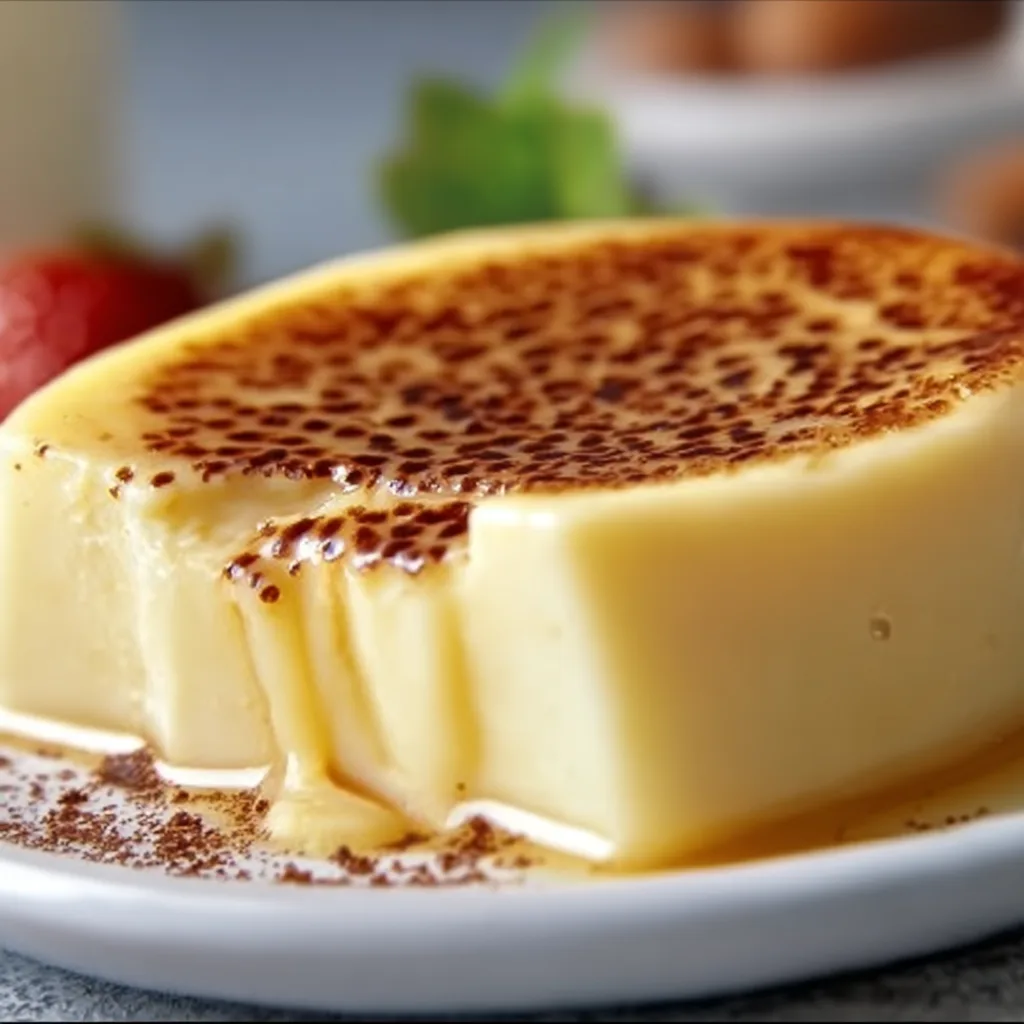
Classic Baked Milk Pudding brings me back to Sunday afternoons at my grandmother's kitchen, where the sweet aroma of vanilla-infused milk would fill the air. This timeless dessert combines the simplest ingredients—milk, eggs, sugar, and vanilla—into something truly magical. The silky smooth texture with that perfectly caramelized top creates a dessert that's both humble and elegant. I've spent years perfecting this recipe, and I'm thrilled to share my version that strikes the perfect balance between creamy and firm. If you enjoy comforting desserts with minimal fuss, this pudding recipe will become your new go-to treat.
Why You'll Love This Classic Baked Milk Pudding
Perfect Texture & Flavor Balance
There's something absolutely enchanting about the way this pudding transforms in the oven. The slow baking process creates two distinct layers—a delicately set custard base with a slightly denser bottom. The subtle vanilla notes complement the richness of the milk without overwhelming it. I love how the top develops a beautiful golden hue that adds a slight caramelized flavor. The beauty lies in its simplicity—you'll taste every ingredient in perfect harmony, creating a dessert that feels like a warm hug on a cool evening.
Simple Ingredients, Impressive Results
What makes this Classic Baked Milk Pudding truly special is how it elevates basic pantry staples into something extraordinary. You'll need just whole milk, eggs, sugar, vanilla, and a pinch of salt. That's it! No need for specialty items or complicated techniques. I adore recipes that transform humble ingredients into something magical. The pudding's velvety texture comes from the careful ratio of eggs to milk, creating that perfect custard consistency that's firm enough to hold its shape when sliced yet melts in your mouth with each bite.
Essential Tips & Tricks
Temperature Control Is Key
The secret to silky-smooth pudding lies in temperature management throughout the process. Start with room temperature eggs to prevent curdling when mixed with warm milk. Heat your milk until steaming but not boiling—around 180°F is perfect. The water bath (bain-marie) is non-negotiable! It ensures gentle, even heat distribution that prevents the edges from overcooking before the center sets. I learned this the hard way after several failed attempts with a cracked, rubbery texture. Be patient with the cooling process too—allow it to come to room temperature before refrigerating.
Perfecting the Baking Process
Creating the ideal baking environment makes all the difference in your Classic Baked Milk Pudding. Always strain your custard mixture through a fine-mesh sieve to remove any egg bits that might disrupt the smooth texture. When preparing your water bath, use hot water that comes halfway up the sides of your baking dish. The pudding is done when it's set around the edges but still has a slight wobble in the center—typically 45-50 minutes at 325°F. Overbaking is the most common mistake, resulting in a grainy texture rather than that dreamy creaminess we're after.
Serving Ideas & Creative Variations
Seasonal Fruit Pairings
Nothing complements the delicate flavor of Classic Baked Milk Pudding quite like fresh seasonal fruits. In summer, try topping with macerated berries—the slight tartness cuts through the richness beautifully. Fall calls for caramelized apples with cinnamon, while winter citrus segments add a refreshing brightness. I love creating a simple berry compote with a touch of lemon zest to spoon over individual servings. The contrast between warm pudding and cool fruit creates a delightful temperature play. For an elegant presentation, arrange thinly sliced stone fruits in a fan pattern over the top before serving.
Flavor Infusions & Garnishes
Elevate your pudding with thoughtful flavor infusions that complement its creamy base. Try steeping the milk with a cinnamon stick, cardamom pods, or orange peel before straining. For a more decadent version, fold in melted white chocolate or a splash of amaretto. My personal favorite is adding a scrape of fresh vanilla bean along with extract—those tiny specks make it feel extra special. For garnishes, consider a light dusting of freshly grated nutmeg, crushed pistachios, or a drizzle of salted caramel sauce. Each addition creates a new experience while honoring the classic foundation.
Storage & Troubleshooting Guide
Proper Storage Techniques
Storing your Classic Baked Milk Pudding properly ensures it maintains that perfect texture for days. Always cool completely before covering with plastic wrap—press it directly onto the surface to prevent a skin from forming. Refrigerate for up to 5 days in an airtight container. If you notice any liquid separation after storing, simply blot gently with a paper towel before serving. For make-ahead preparation, you can bake the pudding up to 2 days in advance of a special meal. I find the flavor actually improves slightly after a day in the refrigerator, as the vanilla notes deepen and meld.
Fixing Common Issues
Even experienced bakers encounter challenges with custard-based desserts. If your pudding develops a slightly grainy texture, it was likely overcooked—next time, remove it from the oven when the center still has a gentle wobble. For a pudding that didn't set properly, it may need additional baking time or your oven temperature might be running low. If you notice small bubbles or a pockmarked surface, your oven temperature was likely too high. The water bath is crucial—skipping this step almost always results in uneven cooking and a rubbery edge. Remember that custards continue cooking slightly after removal from the oven.
Frequently Asked Questions
Can I make Classic Baked Milk Pudding without a water bath?
No, the water bath is essential for gentle, even heating. Without it, you'll likely get rubbery edges and an unevenly cooked center with a grainy texture.
Can I use non-dairy milk for this recipe?
Yes, but results vary. Full-fat coconut milk works best as an alternative, while almond milk produces a thinner consistency requiring additional thickening.
Why did my pudding crack on top?
Cracks typically indicate overheating. Lower your oven temperature by 25°F and ensure your water bath comes halfway up the sides of your baking dish.
How do I know when the pudding is perfectly done?
The edges should be set but the center should still have a slight wobble—like gelatin. It will continue to firm up as it cools.
Can Classic Baked Milk Pudding be frozen for later?
I don't recommend freezing as it alters the texture significantly. Instead, reduce the recipe quantity for smaller portions.
Final Thoughts
This Classic Baked Milk Pudding has become my go-to dessert when I want to create something truly special with minimal effort. There's something profoundly satisfying about transforming basic ingredients into a dessert that never fails to impress. The silky texture, gentle sweetness, and versatility make it perfect for both casual family dinners and elegant gatherings. I hope you'll experience the same joy I feel when that first spoonful melts in your mouth, creating a moment of pure comfort. Don't forget to share your creations on Pinterest to inspire others!