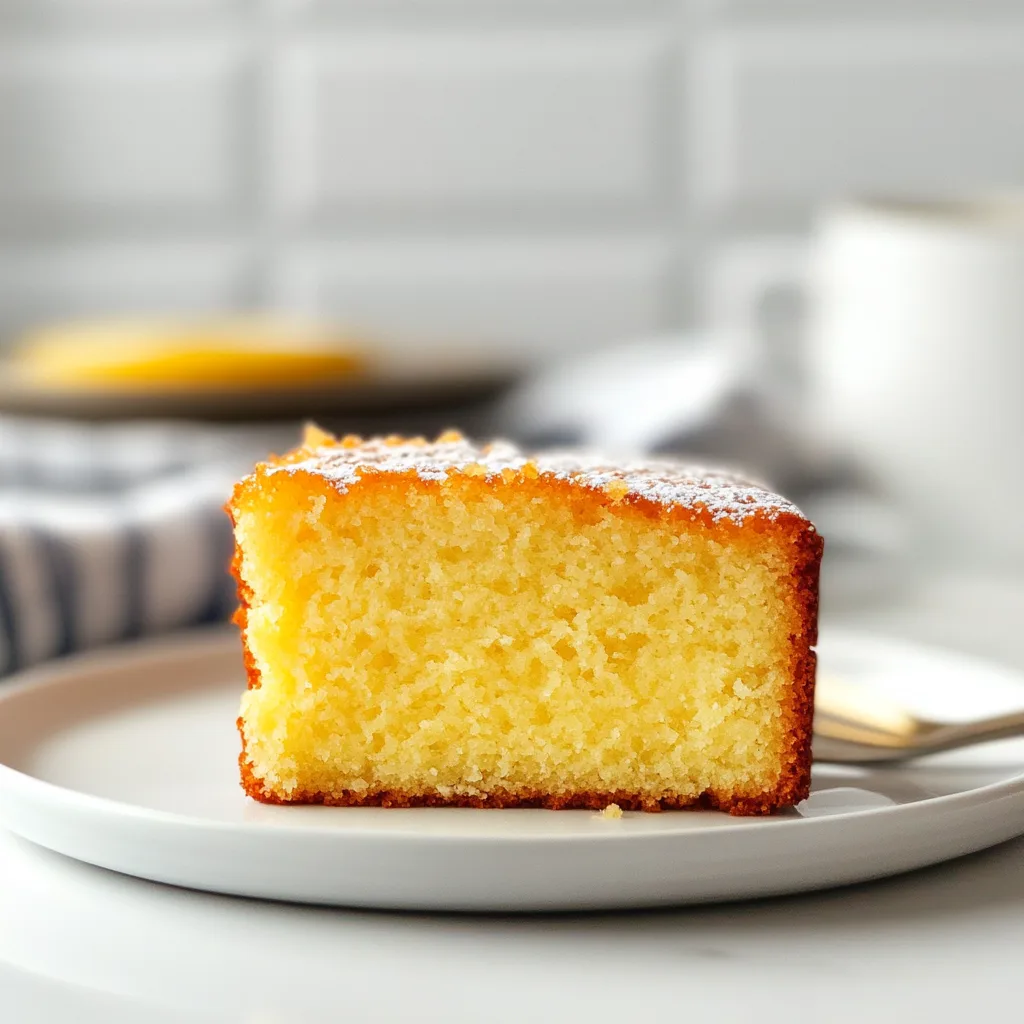
This Gluten-Free Lemon Pound Cake brings sunshine to your plate with every moist, zesty bite! I discovered this recipe during a rainy weekend when my celiac sister visited, and it’s become our family favorite. The bright lemon flavor perfectly balances the rich, buttery texture, creating that classic pound cake experience without the gluten. Each slice offers that nostalgic dense-yet-tender crumb that melts in your mouth, with a tangy lemon glaze that creates a delicate crackling crust. If you’ve been missing bakery-quality treats since going gluten-free, this recipe will make you feel like you’re not missing out on a thing.
Table of Contents
Recipe
Print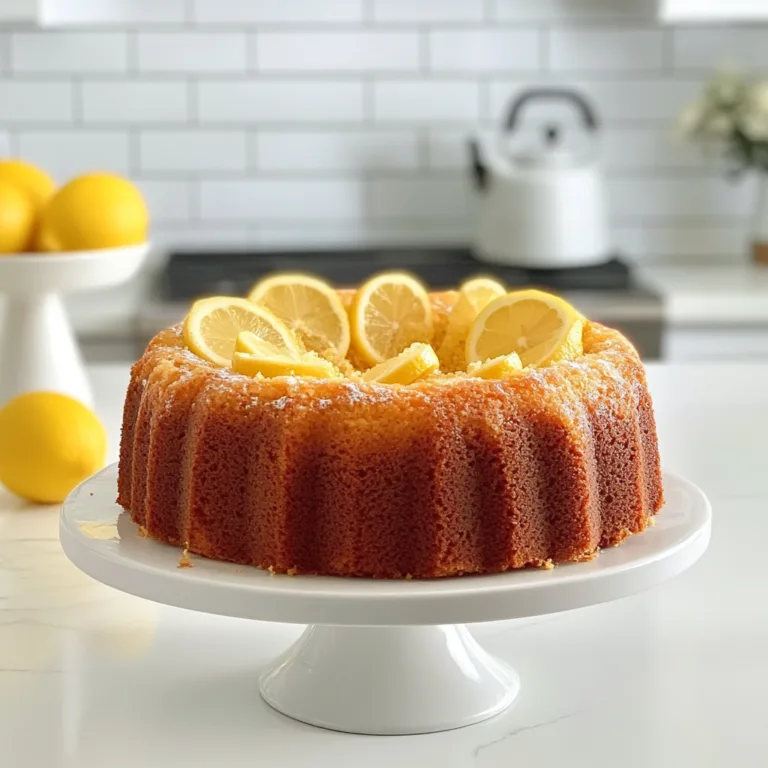
Delicious Gluten-Free Lemon Pound Cake Recipe | Moist & Zesty
This delicious gluten-free lemon pound cake is ultra-moist, buttery, and bursting with fresh lemon flavor! Made with a tender crumb and finished with a bright lemon glaze, it’s an easy, zesty dessert perfect for spring, summer, or anytime cravings.
- Total Time: 1 hour 10 minutes
- Yield: 10 slices 1x
Ingredients
FOR THE LEMON POUND CAKE:
1½ cups gluten-free 1:1 flour (with xanthan gum)
1½ tsp baking powder
¼ tsp salt
½ cup unsalted butter, softened
¾ cup granulated sugar
3 large eggs, room temperature
⅓ cup sour cream or Greek yogurt
¼ cup fresh lemon juice
1 tbsp lemon zest
1 tsp vanilla extract
FOR THE LEMON GLAZE:
¾ cup powdered sugar
1½–2 tbsp fresh lemon juice
Instructions
1. Preheat oven to 350°F (175°C). Grease and line a loaf pan with parchment.
2. In a bowl, whisk gluten-free flour, baking powder, and salt.
3. In a separate bowl, cream butter and sugar until light and fluffy.
4. Beat in eggs one at a time until smooth.
5. Mix in sour cream, lemon juice, lemon zest, and vanilla.
6. Gradually add dry ingredients and mix until just combined.
7. Pour batter into prepared loaf pan and smooth the top.
8. Bake 45–55 minutes, until a toothpick inserted comes out clean.
9. Cool cake completely.
10. Whisk powdered sugar and lemon juice to make glaze and drizzle over cake before serving.
Notes
Use room-temperature ingredients for best texture.
Do not overmix to keep the crumb tender.
For extra lemon flavor, add more zest to the glaze.
Cake stays moist for days when stored airtight.
- Prep Time: 15 minutes
- Cook Time: 55 minutes
- Category: Dessert
- Method: Baked
- Cuisine: American
Nutrition
- Serving Size: 1 slice
- Calories: 285
- Sugar: 22g
- Sodium: 190mg
- Fat: 13g
- Saturated Fat: 7g
- Unsaturated Fat: 5g
- Trans Fat: 0g
- Carbohydrates: 38g
- Fiber: 1g
- Protein: 4g
- Cholesterol: 70mg
Keywords: gluten free lemon pound cake, lemon loaf gluten free, moist lemon cake, easy gluten free dessert
Why You’ll Love This Gluten-Free Lemon Pound Cake
Perfect Texture Without Gluten
The secret to this pound cake’s incredible texture lies in the blend of gluten-free flours. I’ve tested countless combinations and finally found the perfect mix that mimics traditional wheat flour’s structure. The xanthan gum provides that essential elasticity that gluten normally brings, while the fine rice flour ensures no gritty texture. When you slice into this cake, you’ll notice that tight, velvety crumb that pound cakes are famous for—something that’s notoriously difficult to achieve in gluten-free baking. The butter and sour cream work together to create that melt-in-your-mouth richness that makes you close your eyes with each bite.
Bright, Natural Lemon Flavor
This cake captures pure sunshine in every slice with its vibrant lemon flavor that comes from three sources of citrus. Fresh lemon zest infuses the batter with essential oils, while lemon juice adds that perfect tang. The secret ingredient—a touch of lemon extract—amplifies the natural flavor without tasting artificial. I remember watching my grandmother rub lemon zest into sugar with her fingertips, releasing those fragrant oils, and I use the same technique here. The result is a pound cake with a lemon flavor that’s pronounced but balanced, bright but not overwhelming—perfect for both lemon lovers and those who appreciate subtle citrus notes.
Essential Tips & Tricks
Mastering the Mixing Method
The room temperature ingredients are non-negotiable for this recipe! Cold butter and eggs won’t incorporate properly, leading to a dense, heavy cake instead of that perfect tender crumb. I learned this the hard way when I rushed through baking this for a last-minute gathering. Take your ingredients out at least an hour before starting. Use the creaming method correctly—beat butter and sugar until genuinely light and fluffy (about 3-4 minutes), not just combined. This creates tiny air pockets that give your cake lift. Add eggs one at a time, fully incorporating each before adding the next, which prevents the batter from curdling and maintains that silky texture.
Preventing Common Gluten-Free Pitfalls
Gluten-free batters behave differently, and understanding these differences is key. Measure your flours by weight rather than volume for consistent results—this single tip revolutionized my gluten-free baking. Don’t overmix once the flour is added; just blend until combined to prevent activating the xanthan gum too much, which can make your cake gummy. Let the batter rest for 15-20 minutes before baking to hydrate the flour blend properly. For a perfectly moist cake that doesn’t dry out quickly (a common gluten-free issue), brush the warm cake with a simple syrup infusion before adding the glaze—this seals in moisture and adds another layer of lemon flavor.
Serving Ideas & Creative Variations
Seasonal Fruit Pairings
This versatile lemon pound cake becomes a canvas for seasonal fruit toppings that transform it from simple to spectacular. In summer, I love topping slices with fresh berries macerated with a touch of sugar and lemon zest—the way the juices mingle with the cake is divine! For fall, try sautéed apples with cinnamon and a drizzle of maple syrup. Winter calls for blood orange segments and a sprinkle of pistachios for color contrast. The bright lemon flavor pairs beautifully with almost any fruit. For an elegant dessert, serve a warmed slice with a scoop of vanilla bean ice cream and fresh fruit—I served this at a dinner party, and guests couldn’t believe it was gluten-free!
Flavor Twists and Add-ins
While the classic version is perfect, this recipe welcomes creative variations. Add fresh blueberries or raspberries to the batter for bursts of fruit in every bite—just coat them lightly in some of your gluten-free flour mix to prevent sinking. For a sophisticated twist, fold in 1-2 tablespoons of poppy seeds and a teaspoon of lavender buds. Love a more complex flavor profile? Add 1/2 teaspoon of cardamom or ginger to the batter.
The glaze can be customized too—try infusing it with rosemary or thyme for an herbaceous note, or replace some lemon juice with orange or lime for a citrus medley. My personal favorite is adding a tablespoon of Earl Grey tea leaves to the sugar before creaming with butter.
Storage & Troubleshooting Guide
Keeping Your Cake Fresh
Gluten-free baked goods have a reputation for drying out quickly, but with proper storage, this cake stays remarkably fresh. Once completely cooled, store at room temperature in an airtight container for up to 3 days. The lemon glaze actually helps seal in moisture, acting as a protective barrier. For longer storage, wrap individual slices tightly in plastic wrap, then aluminum foil, and freeze for up to 3 months. Thaw wrapped slices at room temperature for about an hour before serving. To refresh slightly stale cake, warm individual slices in the microwave for 10-15 seconds—the heat reactivates the moisture in the cake, making it taste freshly baked again.
Fixing Common Problems
If your cake sinks in the middle, your oven temperature was likely too high initially—use an oven thermometer to verify accuracy. A dense, gummy texture usually means overmixing or incorrect measuring of the gluten-free flour blend. If your cake cracks excessively on top, the oven was probably too hot or the cake was positioned too high in the oven. For a cake that’s too dry, you likely overbaked it—remember that gluten-free cakes can appear underdone when actually perfectly baked. Insert a toothpick in the center; it should come out with a few moist crumbs, not completely clean. If your lemon flavor isn’t pronounced enough, add more zest rather than juice, which can affect the cake’s structure.
Frequently Asked Questions
Can I make this cake dairy-free as well as gluten-free?
Yes! Substitute the butter with plant-based butter sticks (not spread) and replace sour cream with dairy-free yogurt. The texture will be slightly different but still delicious.
Why did my gluten-free lemon pound cake sink in the middle?
This typically happens when opening the oven door too early or overmixing the batter. Keep the door closed for at least 30 minutes and mix just until ingredients are combined.
Can I use a pre-made gluten-free flour blend?
Absolutely! Choose a 1:1 baking blend that contains xanthan gum. Bob’s Red Mill and King Arthur measure-for-measure blends work well in this recipe.
How do I know when the cake is done baking?
A toothpick inserted in the center should come out with a few moist crumbs, not wet batter. The top should be golden brown and spring back when lightly touched.
Can I make this Gluten-Free Lemon Pound Cake in advance for a party?
Yes! It actually tastes better on day two as the flavors develop. Make it up to 2 days ahead and store in an airtight container at room temperature.
Final Thoughts
This Gluten-Free Lemon Pound Cake proves that dietary restrictions don’t mean sacrificing flavor or texture. The bright lemon notes and tender crumb make this a standout dessert for any occasion, whether you’re gluten-free or not. I’ve watched skeptics become converts after one bite of this sunny, buttery cake. Remember that patience is key with gluten-free baking—from allowing ingredients to reach room temperature to giving the batter that rest period before baking. For more delicious gluten-free inspiration, check out my Pinterest boards where I’m constantly adding new finds and favorites!