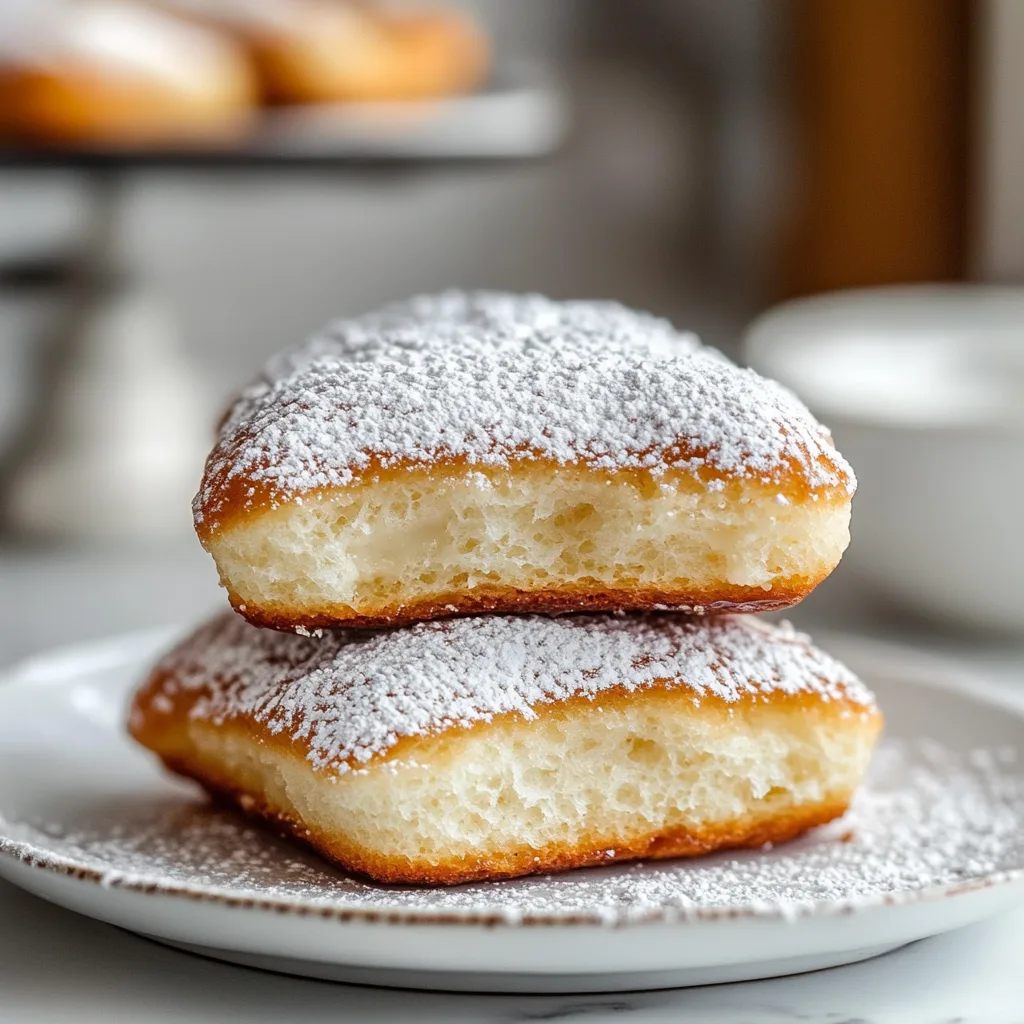
Vanilla French Beignets have always been my guilty pleasure since I first tasted them on a misty morning in New Orleans. These pillowy, sugar-dusted pastries deliver a perfect balance of crisp exterior and cloud-like interior that simply melts in your mouth. The gentle aroma of vanilla that wafts through your kitchen as they fry is nothing short of magical. I still remember how my kitchen windows fogged up the first time I made them at home, creating this cozy little baking haven. If you’re craving something special that bridges the gap between donut and pastry, these classic beignets are absolutely worth the effort.
Table of Contents
Recipe
Print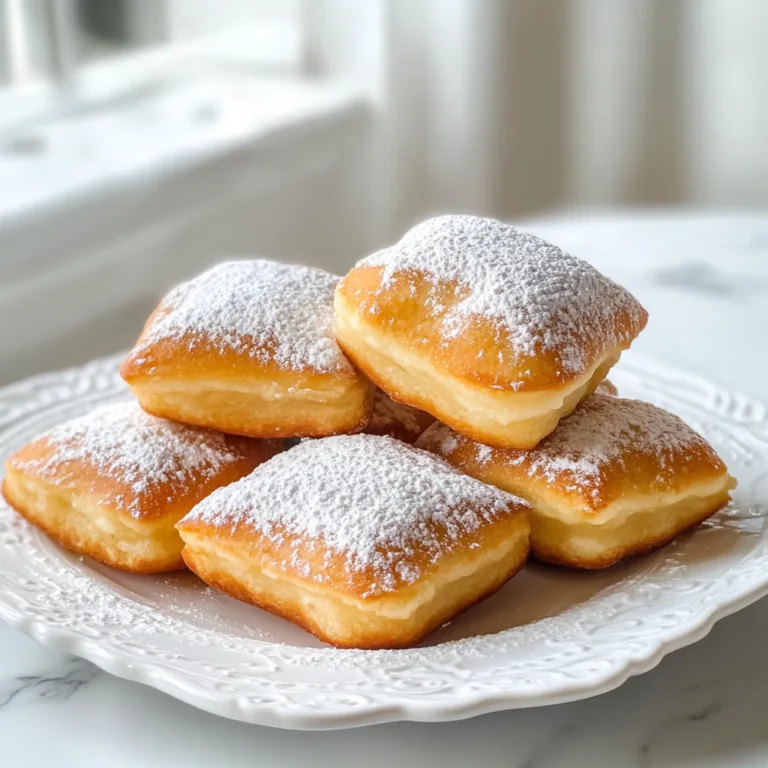
Delicious Vanilla French Beignets Recipe | Authentic & Easy to Make
These Vanilla French Beignets are classic, lightly sweetened doughnuts that are soft, airy, and dusted with powdered sugar. With a hint of vanilla and an authentic texture, they’re easy to make and even easier to eat!
- Total Time: 1 hour 30 minutes
- Yield: 20 beignets 1x
Ingredients
3 1/2 cups all-purpose flour
1 packet (2 1/4 tsp) active dry yeast
1/2 cup warm water (110°F)
1/2 cup warm milk
1/4 cup granulated sugar
2 large eggs
1/4 cup unsalted butter, melted
1 tsp pure vanilla extract
1/2 tsp salt
Vegetable oil, for frying
Powdered sugar, for dusting
Instructions
1. In a bowl, dissolve yeast in warm water with a pinch of sugar. Let sit 5–10 minutes until foamy.
2. In a large bowl or stand mixer, combine flour, remaining sugar, salt, eggs, milk, butter, and vanilla.
3. Add in yeast mixture and mix until dough forms. Knead for 5–7 minutes until smooth.
4. Cover and let rise in a warm place until doubled (about 1 hour).
5. Punch down dough and roll out on floured surface to 1/4-inch thickness.
6. Cut into 2- to 3-inch squares or rounds. Let rest 15 minutes.
7. Heat oil in deep pan to 350°F. Fry beignets in batches until golden brown, about 1 minute per side.
8. Drain on paper towels. Dust heavily with powdered sugar and serve warm.
Notes
• Add a touch of lemon zest or cinnamon for flavor variation.
• These are best fresh but can be reheated in a toaster oven.
• Use a thermometer to keep oil temp steady for even frying.
- Prep Time: 20 minutes (plus 1 hour rise)
- Cook Time: 10 minutes
- Category: Dessert
- Method: Fried
- Cuisine: French
- Diet: Vegetarian
Nutrition
- Serving Size: 1 beignet
- Calories: 190
- Sugar: 8g
- Sodium: 90mg
- Fat: 8g
- Saturated Fat: 2g
- Unsaturated Fat: 6g
- Trans Fat: 0g
- Carbohydrates: 26g
- Fiber: 1g
- Protein: 4g
- Cholesterol: 35mg
Keywords: vanilla french beignets, authentic beignets recipe, easy french doughnuts, powdered sugar beignets
Why You’ll Love These Vanilla French Beignets
A Taste of New Orleans at Home
There’s something undeniably special about recreating iconic treats in your own kitchen. These vanilla-infused beignets transport you straight to Café du Monde without the plane ticket. The dough is enriched with a hint of nutmeg and vanilla that perfumes your entire home as it rises. When that first bite breaks through the powdered sugar crust and gives way to the airy, tender center, you’ll understand why these have been beloved for generations. The contrast between the crisp exterior and pillowy interior creates a textural experience that’s simply impossible to resist.
Surprisingly Simple to Master
Don’t let their fancy French name intimidate you! These beignets are actually quite approachable for home bakers. The dough comes together in minutes, and the hands-on time is minimal compared to many other pastries. The key technique is maintaining the right oil temperature—too hot and they’ll burn before cooking through, too cool and they’ll absorb too much oil. I’ve found that using a candy thermometer takes all the guesswork out of the process. Plus, the dough can be made ahead and refrigerated overnight, making these perfect for weekend brunches when you want something special without the early wake-up.
Essential Tips & Tricks
Perfecting Your Dough
The foundation of exceptional beignets lies in the dough consistency. It should be soft and slightly tacky but not sticky enough to cling to your fingers. If it’s too wet, gradually add more flour a tablespoon at a time. Let the dough rise in a warm, draft-free spot until it’s doubled in size—this creates that signature airy texture. I like to place mine near (not on!) a preheating oven. Don’t rush this step; proper fermentation develops both structure and flavor. The patience pays off when you bite into those perfectly tender pockets of vanilla-scented goodness that practically dissolve on your tongue.
Frying for Golden Perfection
Maintaining the proper oil temperature (350-360°F) is crucial for beignet success. Too hot, and you’ll get a burned exterior with raw centers; too cool, and they’ll absorb excess oil and become greasy. Use a thermometer and adjust your heat as needed between batches. Don’t overcrowd the pot—this drops the temperature dramatically and leads to uneven cooking. I learned this the hard way! Fry just 3-4 beignets at a time, giving them plenty of space to puff up and dance in the oil. They should be golden brown and puffed, requiring just 2-3 minutes per batch.
Serving Ideas & Creative Variations
Beyond Traditional Powdered Sugar
While a generous snowfall of powdered sugar is traditional, these versatile treats welcome creative toppings. Try a cinnamon-sugar blend for warm spiced notes or a drizzle of honey mixed with orange zest for a bright twist. For special occasions, I love serving them with chocolate ganache and fresh berries on the side. The contrast of warm beignets with cool, tangy berries is simply divine. You could even create a dessert bar with various dipping sauces—think salted caramel, vanilla bean custard, or raspberry coulis—allowing guests to customize their experience while the beignets are still warm and at their absolute best.
Flavor Infusions and Add-Ins
The classic vanilla beignet is just the beginning. Consider incorporating orange zest or lemon zest into the dough for a citrusy brightness that cuts through the richness. Almond extract can replace or complement the vanilla for a nutty dimension. For chocolate lovers, fold mini chocolate chips into the dough before the final roll-out. I’ve even experimented with adding a teaspoon of espresso powder to enhance the vanilla notes—it doesn’t make them taste like coffee, just more complex and aromatic. These little tweaks make the recipe truly yours while honoring the traditional technique.
Storage & Troubleshooting Guide
Keeping Beignets Fresh
Beignets are at their absolute peak when freshly fried and still warm. That first bite of a just-made beignet is a fleeting moment of perfection that simply can’t be recreated later. However, leftovers can be stored at room temperature in an airtight container for up to 2 days. To revive them, warm in a 350°F oven for 3-5 minutes. The microwave works in a pinch (10-15 seconds), but the texture suffers slightly. If you want to prepare ahead, the unfried dough can be refrigerated overnight or frozen for up to a month, making it easy to have fresh beignets whenever the craving strikes.
Solving Common Beignet Problems
If your beignets aren’t puffing properly, your oil might be too cool or your dough may be overworked. The gentle handling of dough preserves air pockets that create that signature pillowy texture. Dense beignets often result from skimping on rising time or using old yeast. If they’re browning too quickly, your oil is likely too hot—adjust immediately and continue with a lower temperature. Greasy beignets indicate oil that’s too cool, so they’ve absorbed fat instead of quickly creating a barrier. Remember that humidity affects flour, so you might need slight adjustments to the recipe depending on your climate.
Frequently Asked Questions
What makes Vanilla French Beignets different from regular donuts?
Beignets are square-shaped, yeast-raised pastries with no hole, featuring a lighter, airier texture than most donuts. The vanilla flavor and traditional powdered sugar coating also distinguish them from typical American donuts.
Can I make the dough ahead of time?
Absolutely! Prepare the dough, let it rise once, then refrigerate overnight. Bring to room temperature for 30 minutes before rolling, cutting, and frying for fresh beignets anytime.
What’s the best oil for frying beignets?
Use a neutral oil with a high smoke point like vegetable, canola, or peanut oil. The clean flavor won’t compete with the vanilla, and they’ll fry beautifully golden.
How do I know when the oil is at the right temperature?
Use a thermometer for accuracy (350-360°F is ideal). Alternatively, drop a small piece of dough in—it should bubble immediately and rise to the surface.
Can I bake these instead of frying?
While traditional Vanilla French Beignets are fried, you can bake them at 400°F for 10-12 minutes. They’ll be less authentic but still delicious with a lighter texture.
Final Thoughts
These Vanilla French Beignets bring a touch of New Orleans magic to your kitchen with their pillowy texture and sweet, aromatic flavor. There’s something incredibly satisfying about watching the dough puff up in the hot oil and dusting the finished pastries with a blizzard of powdered sugar. Whether served for a special breakfast, afternoon treat, or dessert, they create moments worth savoring. I hope you’ll try these beignets and experience the joy they bring—both in the making and the eating! For more delightful recipes, visit our Pinterest page for endless inspiration.