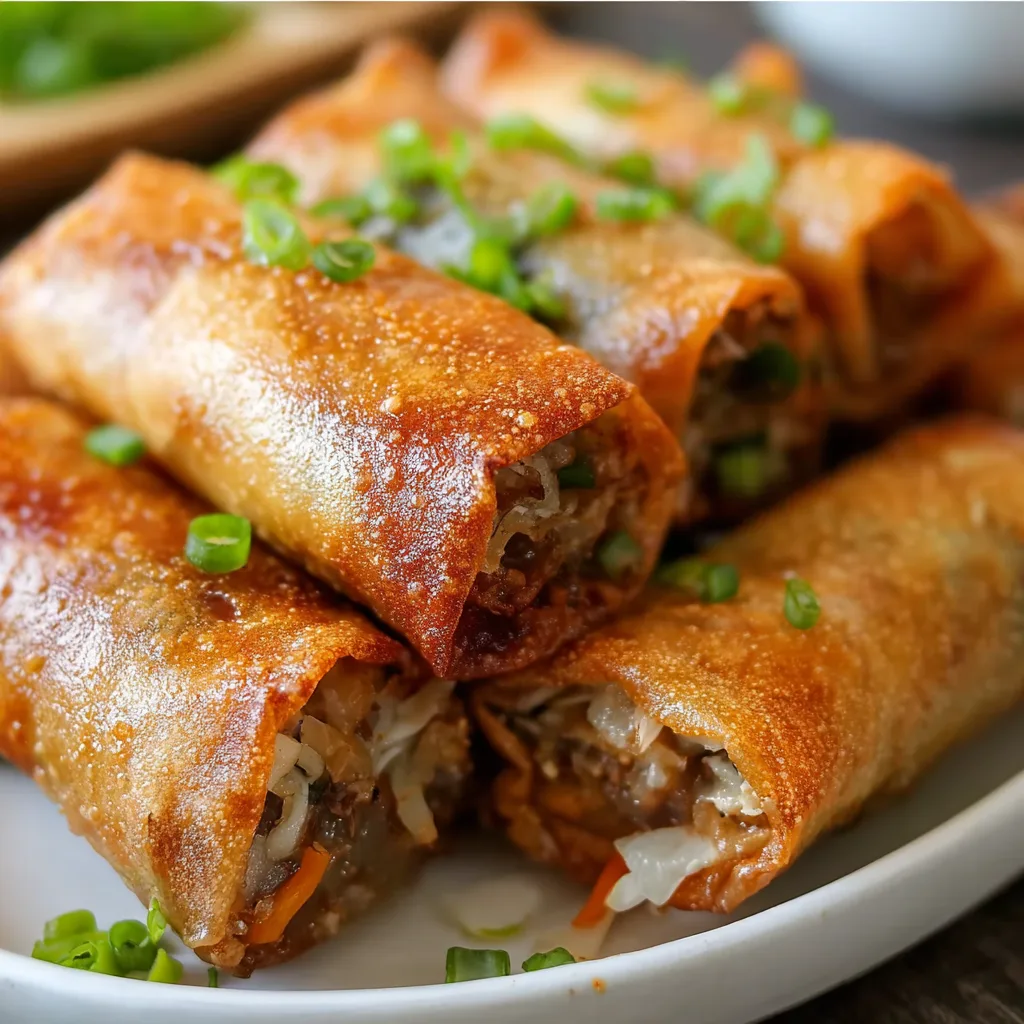

Beef jerky has been my trusty companion on countless hiking adventures, road trips, and late-night snacking sessions. There’s something deeply satisfying about the chewy texture and concentrated flavor that makes this protein-packed treat irresistible. I still remember making my first batch in my grandmother’s kitchen, the rich aroma of spices filling the air as we waited impatiently for the meat to transform. Today, I’m sharing my perfected homemade beef jerky recipe that strikes the perfect balance between tender and chewy with a flavor profile that will make store-bought versions pale in comparison. This protein-rich snack is surprisingly simple to make and infinitely customizable.
Table of Contents
Recipe
Print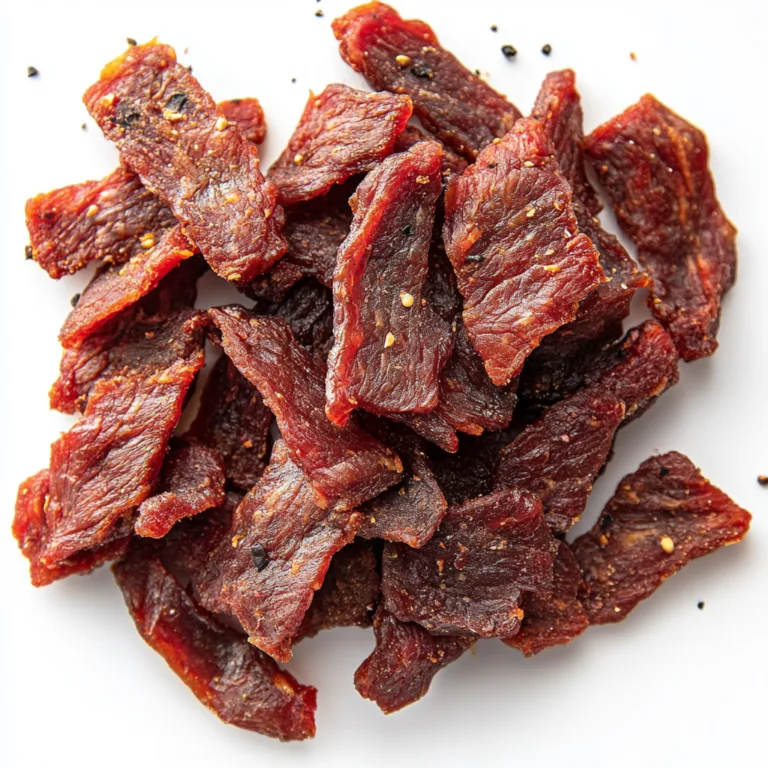
Premium Beef Jerky | High-Protein Snack for On-the-Go
Premium Beef Jerky is a high-protein, flavorful snack perfect for on-the-go lifestyles. Made with lean beef strips marinated in a savory blend of spices and slowly dried, this homemade jerky is chewy, satisfying, and far better than store-bought.
- Total Time: 4 hours 15 minutes
- Yield: 8 servings 1x
Ingredients
900 g lean beef (top round or flank steak)
1/3 cup soy sauce or tamari
2 tbsp Worcestershire sauce
1 tbsp brown sugar or honey
1 tsp smoked paprika
1 tsp garlic powder
1 tsp onion powder
1/2 tsp black pepper
1/4 tsp red pepper flakes (optional)
Instructions
1. Slice beef thinly against the grain.
2. In a bowl, mix all marinade ingredients.
3. Add beef slices and toss to coat evenly.
4. Cover and marinate for at least 6 hours or overnight.
5. Preheat oven to 80°C (175°F) or use a dehydrator.
6. Arrange beef slices on racks in a single layer.
7. Dry for 3–4 hours, flipping once, until chewy but not brittle.
8. Cool completely before storing.
Notes
• Store in an airtight container for up to 1 week.
• For longer storage, refrigerate or freeze.
• Adjust spice level to taste.
- Prep Time: 15 minutes
- Cook Time: 4 hours
- Category: Snack
- Method: Dehydrated
- Cuisine: American
Nutrition
- Serving Size: 30 g
- Calories: 120
- Sugar: 3g
- Sodium: 480mg
- Fat: 2g
- Saturated Fat: 1g
- Unsaturated Fat: 1g
- Trans Fat: 0g
- Carbohydrates: 5g
- Fiber: 0g
- Protein: 18g
- Cholesterol: 35mg
Keywords: beef jerky recipe, homemade beef jerky, high protein snack
Why You’ll Love This Beef Jerky
Perfect Protein-Packed Snack
This homemade beef jerky delivers intense flavor in every bite while providing a substantial protein boost without the preservatives found in commercial versions. I love having these chewy, savory strips on hand for quick energy during busy days. The beauty lies in its simplicity—just quality beef, a flavorful marinade, and patience. The natural umami from the meat combines with your chosen seasonings to create something truly crave-worthy. Plus, the satisfaction of crafting something this delicious from scratch is unmatched. My kids even request it for their lunchboxes now!
Cost-Effective and Customizable
Making beef jerky at home saves significant money compared to premium store-bought varieties, which often cost upwards of $30 per pound. With homemade jerky costing roughly $8-12 per pound depending on your meat selection, the savings are substantial. Beyond the financial benefits, you gain complete control over ingredients—adjust the saltiness, sweetness, spice level, and thickness precisely to your preference. This customization means you can create the exact flavor profile you crave, whether that’s classic peppered, sweet teriyaki, or fiery sriracha. No more settling for commercial options!
Essential Tips & Tricks
Selecting and Preparing the Meat
Choosing the right cut makes all the difference in your beef jerky. Look for lean cuts like eye of round, top round, or flank steak with minimal marbling, as fat can cause spoilage. For the most tender results, slice the meat against the grain at a consistent 1/8 to 1/4-inch thickness—partially freezing the meat for 1-2 hours makes this significantly easier. I learned this trick after my first batch came out wildly inconsistent! Remember to trim away all visible fat before marinating. This careful preparation ensures even drying and a consistently chewy texture that’s not too tough on your teeth.
Perfecting the Drying Process
The key to exceptional beef jerky lies in drying it properly—too fast creates tough jerky, too slow risks spoilage. Whether using a dehydrator (my preferred method) or oven, maintain a consistent temperature between 145-165°F. Arrange strips with space between them for proper air circulation. The drying time typically ranges from 4-8 hours depending on thickness and desired chewiness. Similar to my approach with Chicken Cordon Bleu Casserole, patience yields the best results. Test for doneness by bending a cooled piece—it should crack slightly but not break completely.
Serving Ideas & Creative Variations
Flavor Profiles to Explore
Don’t limit yourself to basic teriyaki or peppered varieties—beef jerky welcomes endless flavor experiments! Try Korean-inspired jerky with gochujang, sesame oil, and brown sugar for a sweet-spicy kick. Or explore Mediterranean flavors with lemon, oregano, and garlic. Coffee-rubbed jerky delivers remarkable depth, while maple-bourbon creates a sophisticated sweet profile. I discovered my family’s favorite—honey sriracha—completely by accident when I ran out of regular hot sauce! The marinade stage is your canvas, so be adventurous. Just like with my Apple Cider Braised Beef Shoulder, unexpected flavor combinations often yield the most memorable results.
Pairing and Gifting
Homemade beef jerky elevates any charcuterie board, adding a savory protein element alongside cheeses and fruits. For hiking trips, combine jerky with trail mix and dried fruits for a balanced energy boost. It also makes an impressive homemade gift—package in clear cellophane bags with decorative tags for holidays or special occasions. I’ve started a tradition of jerky gift baskets for Father’s Day, pairing different flavors with craft beers or whiskey. The personal touch of homemade jerky shows thoughtfulness that store-bought gifts can’t match, and recipients are always impressed by the effort.
Storage & Troubleshooting Guide
Proper Storage Methods
To maintain your beef jerky’s quality and extend its shelf life, proper storage is essential. Once completely cooled, store in airtight containers like mason jars or vacuum-sealed bags. At room temperature in an airtight container, homemade jerky typically lasts 1-2 weeks. For longer preservation, refrigerate for up to 3 months or freeze for up to 6 months. I learned this lesson the hard way after leaving a batch in a partially sealed container—the texture changed dramatically within days! If you notice any moisture inside the container, it indicates the jerky wasn’t fully dried and should be consumed quickly or returned to the dehydrator.
Solving Common Problems
If your jerky turns out too tough, you likely over-dried it or sliced it too thin. Next time, reduce drying time or slice slightly thicker. For jerky that’s too soft or moist, it needs additional drying time—return it to the dehydrator for 1-2 hour increments until properly dried. White spots might indicate salt crystallization (harmless) or mold (discard immediately). To prevent mold, ensure complete drying and proper storage. If your jerky tastes too salty, reduce salt in your next marinade and consider a shorter marinating time. Remember that jerky continues to intensify in flavor after drying, so subtle marinades often yield better results.
Frequently Asked Questions
What’s the best cut of beef for making jerky?
Eye of round, top round, and flank steak work best due to their leanness. London broil is also excellent and often on sale, making it my budget-friendly go-to option.
How long should I marinate the beef for optimal flavor?
Marinate for at least 8 hours, but 24 hours is ideal for maximum flavor penetration. Don’t exceed 48 hours as the meat can begin to break down too much.
Is homemade beef jerky healthier than store-bought?
Yes! Homemade beef jerky eliminates preservatives, MSG, and excess sodium found in commercial versions, giving you complete control over what goes into your snack.
How can I tell when my beef jerky is properly dried?
Properly dried beef jerky bends without breaking and doesn’t feel moist. When bent, it should develop small cracks but not snap completely in half.
Can I make beef jerky without a dehydrator?
Absolutely! Use your oven at its lowest setting (ideally 170°F or less) with the door slightly ajar. Place meat on racks over baking sheets to catch drips.
Final Thoughts
Mastering homemade beef jerky has transformed my snacking game and impressed countless friends and family members. The process might seem intimidating at first, but the rewards of crafting this protein-rich treat far outweigh the effort. I encourage you to start with a simple marinade and basic equipment, then explore different flavors as you gain confidence. There’s something deeply satisfying about creating beef jerky that perfectly matches your taste preferences. Share your creations on Pinterest or gift them to loved ones—either way, this skill keeps on giving!