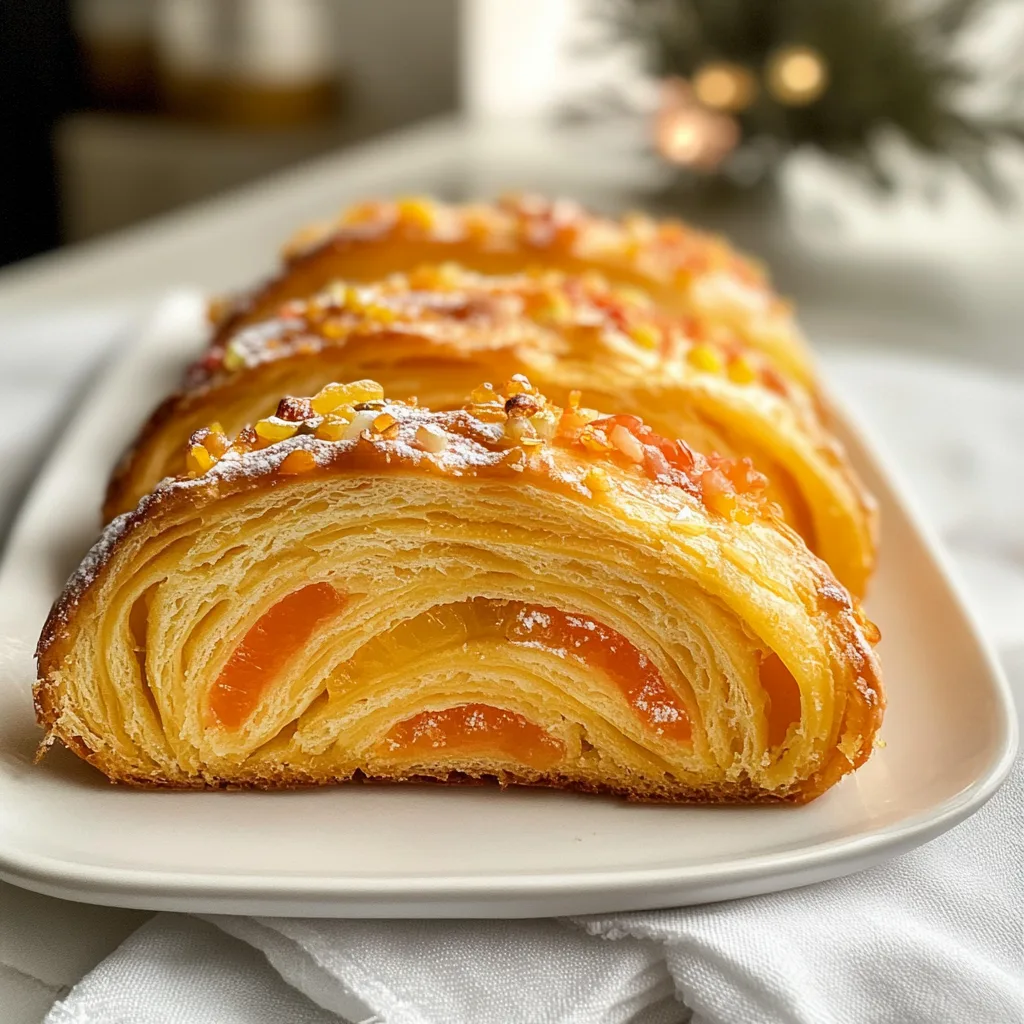
Rosca de Reyes is a crown-shaped sweet bread that holds centuries of tradition and flavor in every slice. As January approaches, my kitchen fills with the intoxicating aroma of orange zest, warm spices, and sweet dough rising slowly on the counter. This festive ring-shaped bread, adorned with colorful candied fruits resembling jewels, brings families together for the celebration of Epiphany on January 6th. I’ve spent years perfecting my recipe, and the moment when everyone gathers around to discover who finds the hidden figurine still brings childlike excitement to our home. If you’re ready to create a memorable tradition, this Sourdough Discard Cinnamon Quick Bread might inspire your baking journey too!
Table of Contents
Recipe
Print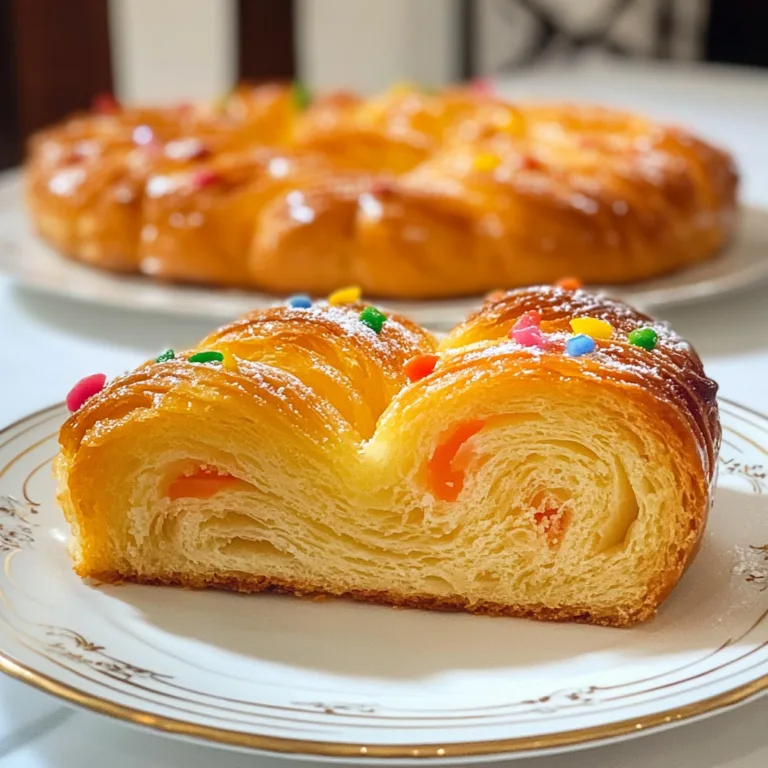
Authentic Rosca de Reyes Recipe | Traditional Mexican Epiphany Bread
Authentic Rosca de Reyes is a traditional Mexican Epiphany bread enjoyed on Three Kings Day. This soft, lightly sweet yeast bread is flavored with citrus zest, decorated with colorful candied fruit, and baked into a symbolic ring that represents unity and tradition.
- Total Time: 2 hours
- Yield: 10 servings 1x
Ingredients
4 cups all-purpose flour
2 1/4 tsp active dry yeast
3/4 cup warm milk
3/4 cup sugar
3 large eggs
1/2 cup butter, softened
Zest of 1 orange
Zest of 1 lemon
1 tsp vanilla extract
1/2 tsp salt
For decoration:
Candied fruits (fig paste, cherries, orange peel)
1 egg (for egg wash)
Instructions
1. Dissolve yeast in warm milk with 1 tbsp sugar and let rest until foamy.
2. In a large bowl, mix flour, remaining sugar, salt, citrus zest, eggs, vanilla, and butter.
3. Add yeast mixture and knead until smooth and elastic.
4. Cover and let dough rise until doubled in size.
5. Shape dough into a ring and place on a baking sheet.
6. Insert small figurine if desired.
7. Brush with egg wash and decorate with candied fruit.
8. Bake at 180°C (350°F) for 25–30 minutes until golden.
9. Cool before slicing and serving.
Notes
• Traditionally served with hot chocolate or atole.
• Dough can be made a day ahead and chilled overnight.
• Whoever finds the figurine hosts the next celebration.
- Prep Time: 30 minutes
- Cook Time: 30 minutes
- Category: Bread, Dessert
- Method: Baked
- Cuisine: Mexican
- Diet: Vegetarian
Nutrition
- Serving Size: 1 slice
- Calories: 320
- Sugar: 18g
- Sodium: 210mg
- Fat: 12g
- Saturated Fat: 7g
- Unsaturated Fat: 4g
- Trans Fat: 0g
- Carbohydrates: 46g
- Fiber: 2g
- Protein: 7g
- Cholesterol: 75mg
Keywords: rosca de reyes, mexican epiphany bread, three kings bread
Why You’ll Love This Rosca de Reyes
A Celebration of Culture and Tradition
The Rosca de Reyes (Three Kings Bread) represents more than just a delicious treat—it’s a cultural touchstone connecting generations. When I first baked this with my grandmother, she explained how the oval shape symbolizes a king’s crown, while the hidden figurine represents baby Jesus. The person who finds it becomes godparent to the child figurine and hosts a feast on February 2nd. I love how this bread creates moments of anticipation and joy as family members carefully slice their portions, hoping to discover the tiny surprise within.
A Sensory Delight in Every Bite
The texture and flavor of Rosca de Reyes is truly something special. The bread itself is pillowy and tender with a slight chew, similar to brioche but with its own distinct character. Orange zest and anise infuse the dough with bright, aromatic notes that dance on your tongue. The contrast between the soft bread, crunchy sugar topping, and chewy candied fruits creates a perfect balance of textures. When you tear into a warm slice, the steam carries the scent of butter and spice in a way that instantly feels like celebration.
Essential Tips & Tricks
Mastering the Perfect Dough
The secret to exceptional Rosca de Reyes lies in patience and temperature control. I’ve learned that room temperature ingredients create a more cohesive dough, while cold butter makes incorporation difficult. Allow eggs and milk to sit out for 30 minutes before beginning. When kneading, look for the “windowpane test”—stretch a small piece until translucent without tearing. This indicates proper gluten development. The first rise is crucial; a slow rise in a slightly warm spot (about 75°F) develops complex flavors. Resist the urge to rush this process—good bread rewards the patient baker!
Decorating Like a Pro
The traditional decorations are what transform this bread into a showstopping centerpiece. I arrange strips of candied fruit (citron, figs, cherries) in a pattern that resembles jewels on a crown. For the sugar topping, brush the dough with egg wash first to help it adhere properly. Work quickly when placing decorations, as the dough continues to rise. For a modern twist that still honors tradition, try this Vanilla French Beignets technique of dusting with flavored sugar. Remember to insert your figurine from the bottom after baking to maintain the surprise element!
Serving Ideas & Creative Variations
Perfect Pairings for Your Rosca
Serving hot chocolate alongside Rosca de Reyes creates a match made in heaven. The rich, slightly bitter chocolate balances the sweet bread beautifully. In my family, we prepare Mexican-style hot chocolate with cinnamon and a touch of chili for warmth. For adults, a glass of sweet sherry or dessert wine complements the bread’s fruity notes. If serving for breakfast, fresh fruit and Mexican coffee round out the spread. The bread is delicious on its own, but a small dish of honey butter or Snickerdoodle Cobbler inspired cinnamon cream cheese elevates each bite.
Regional and Modern Adaptations
While respecting tradition, regional variations offer exciting possibilities. In some parts of Mexico, bakers incorporate cream cheese filling or chocolate swirls into the dough. Others add orange blossom water or rose essence for floral notes. For a fusion approach, I’ve experimented with matcha powder in the dough and white chocolate drizzle on top. If dietary restrictions are a concern, successful gluten-free versions use a combination of rice flour and tapioca starch. Vegan adaptations replace eggs with applesauce and butter with coconut oil, maintaining the bread’s tender quality.
Storage & Troubleshooting Guide
Keeping Your Rosca Fresh
The ideal storage method depends on how quickly you’ll enjoy your Rosca. For 1-2 days, store at room temperature in an airtight container or wrapped tightly in plastic wrap. The bread stays remarkably fresh this way, maintaining its tender crumb. For longer storage, freeze individual slices wrapped in plastic and foil. When ready to enjoy, thaw at room temperature for an hour or microwave for 15-20 seconds. Refreshing slightly stale Rosca is simple—sprinkle with a few drops of water and warm in a 300°F oven for 5-7 minutes.
Solving Common Baking Issues
If your dough seems too sticky, resist adding much extra flour, which can create a dense result. Instead, use lightly oiled hands to handle it or chill the dough for 20 minutes. For dough that won’t rise properly, check your yeast’s freshness and ensure your environment isn’t too cold. Creating a proofing box with a bowl of hot water in a turned-off oven works wonders. If your decorations sink or burn, try pressing them in more firmly and tenting with foil during the final 10 minutes of baking. Remember that even imperfect Roscas still taste delicious!
Frequently Asked Questions
When is Rosca de Reyes traditionally served?
Rosca de Reyes is served on January 6th, celebrating Epiphany or Three Kings Day, when the Magi visited baby Jesus. Families gather specifically for this tradition.
What does finding the baby figurine in Rosca de Reyes mean?
Finding the figurine means you’ll host a feast on February 2nd (Día de la Candelaria) and become the figurine’s godparent. It’s considered both luck and responsibility.
Can I make Rosca de Reyes ahead of time?
Yes! Prepare the dough a day ahead and refrigerate after the first rise. Let it come to room temperature before shaping. The flavor actually improves with this method.
What’s the significance of the oval shape?
The oval represents a king’s crown, honoring the Three Wise Men who brought gifts to Jesus. The colorful fruits symbolize the jewels adorning the crown.
How do I ensure my Rosca de Reyes stays moist?
Use high-quality butter and don’t overbake. The bread is done when the internal temperature reaches 190°F and the top is golden brown, not dark.
Final Thoughts
Creating a beautiful Rosca de Reyes brings together the best elements of baking—tradition, creativity, and the joy of sharing something made with love. As you slice into your creation and watch loved ones discover whether they’ve found the hidden surprise, you’re participating in a centuries-old tradition that spans continents. I hope this guide helps you craft a memorable bread that becomes part of your own family story. For more seasonal recipes and inspiration, visit our Pinterest page where tradition meets modern baking techniques!