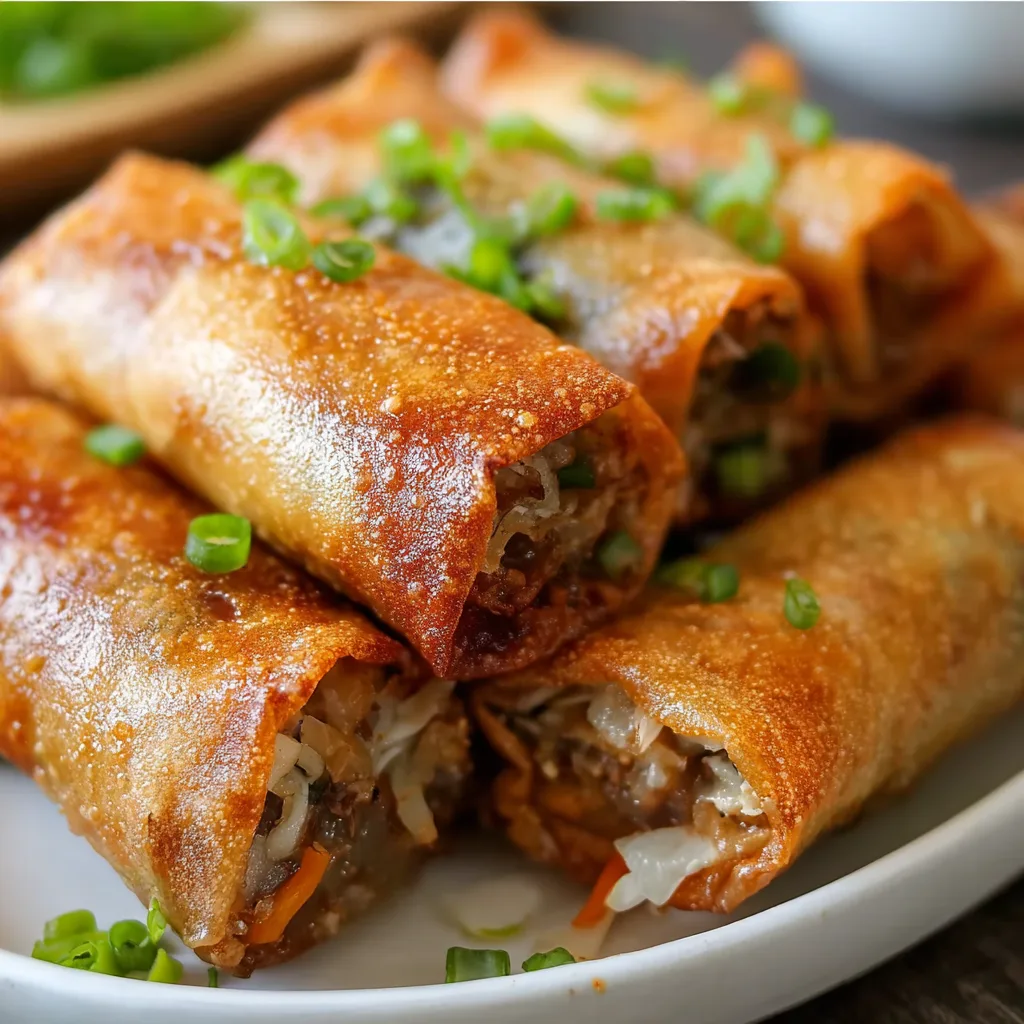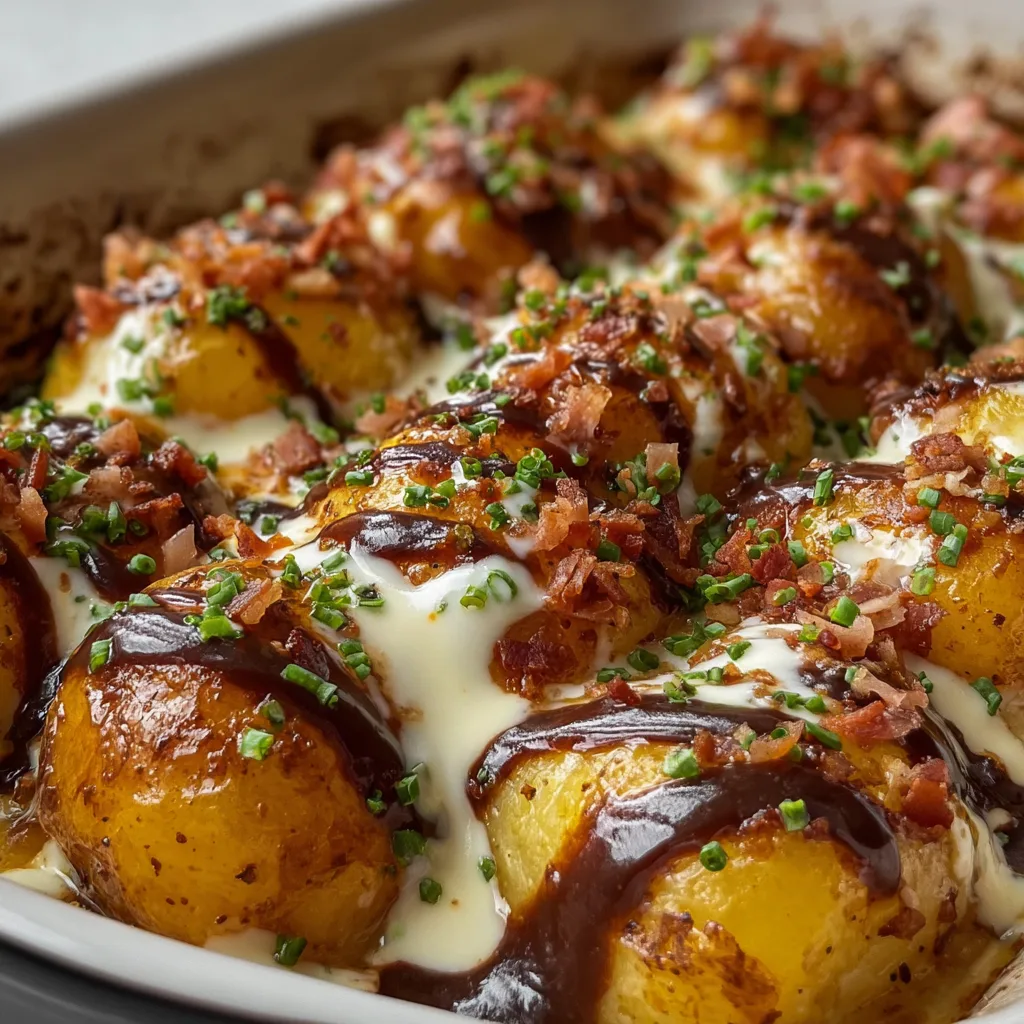
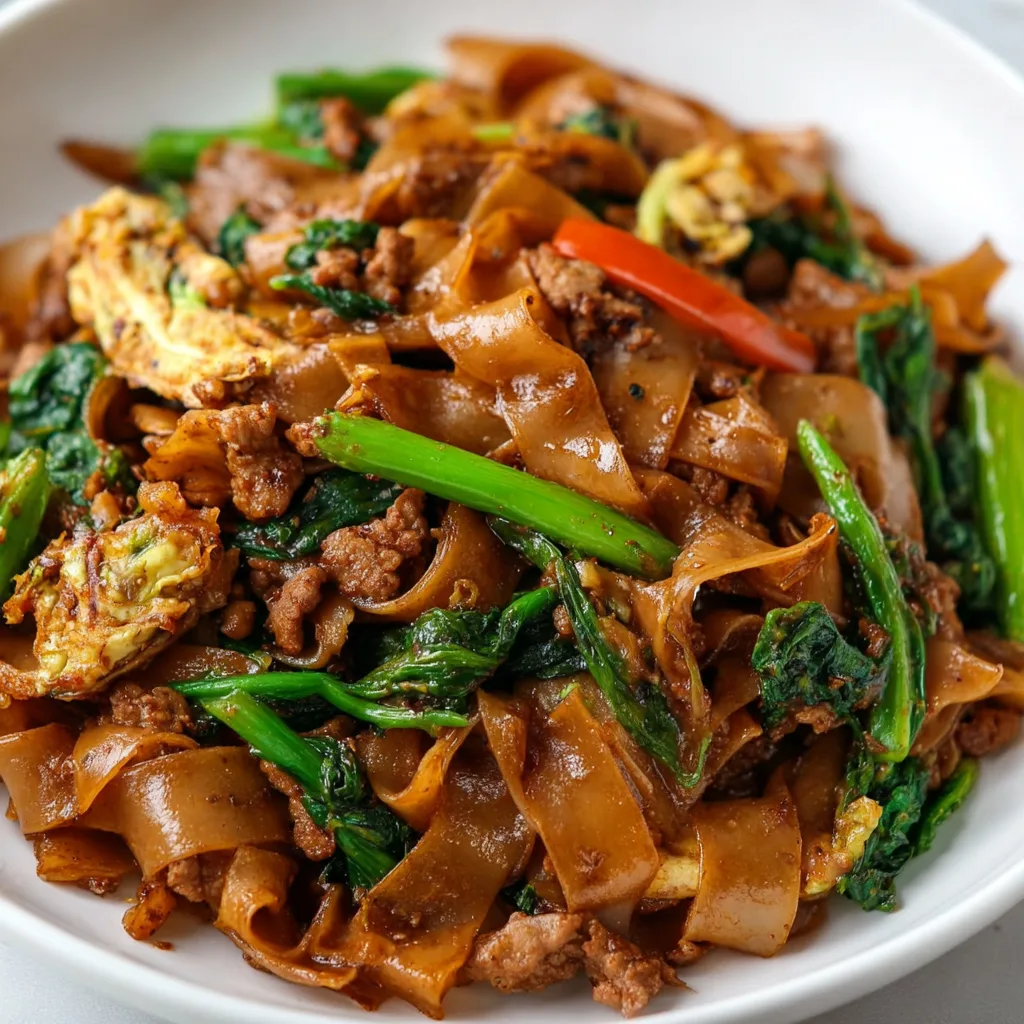
Thai Stir-Fried Noodles have been my go-to comfort meal for as long as I can remember. There’s something magical about that perfect balance of sweet, salty, and tangy flavors dancing together with tender noodles and crisp vegetables. When the aroma of garlic and ginger fills my kitchen, I’m instantly transported back to that tiny street food stall in Bangkok where I first fell in love with this dish. The beauty of these noodles lies in their versatility—whether you’re craving something quick after a long day or looking to impress weekend dinner guests. If you enjoy bold flavors like in my Mango Chicken Curry, you’ll adore this recipe.
Table of Contents
Recipe
Print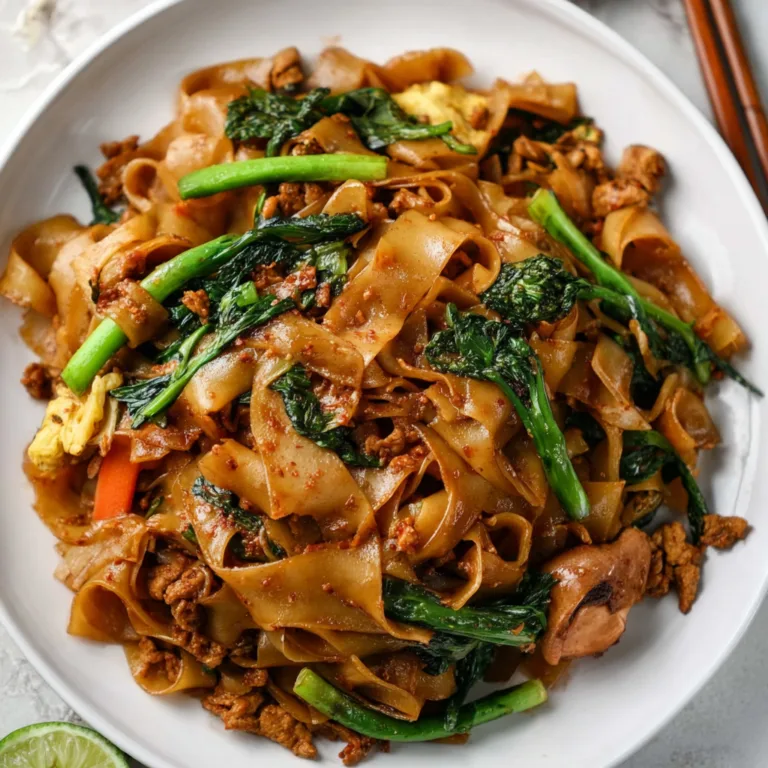
Authentic Thai Stir-Fried Noodles Recipe
This Authentic Thai Stir-Fried Noodles (Pad Thai) is packed with bold flavors. Sweet, tangy, and savory noodles are tossed with shrimp, eggs, and peanuts for a quick and delicious meal.
- Total Time: 25 minutes
- Yield: 2 servings 1x
Ingredients
For the Noodles:
200 g rice noodles
200 g shrimp (peeled and deveined)
2 eggs
2 tablespoons oil
For the Sauce:
3 tablespoons tamarind paste
2 tablespoons fish sauce
1 tablespoon sugar
1 tablespoon soy sauce
For the Mix-Ins:
2 cloves garlic (minced)
2 green onions (chopped)
1/4 cup crushed peanuts
Optional:
Bean sprouts
Lime wedges
Chili flakes
Instructions
1. Soak rice noodles in warm water until softened.
2. Heat oil in a pan and sauté garlic for 1 minute.
3. Add shrimp and cook until pink.
4. Push to one side and scramble eggs in the pan.
5. Add noodles and pour in the sauce.
6. Toss everything together until well coated.
7. Add green onions and peanuts.
8. Cook for another 2–3 minutes.
9. Serve with bean sprouts, lime, and chili flakes.
Notes
Do not overcook noodles.
Adjust tamarind and sugar for balance.
Use high heat for best texture.
Serve immediately for best flavor.
- Prep Time: 10 minutes
- Cook Time: 15 minutes
- Category: Main Course
- Method: Stir-Fry
- Cuisine: Thai
Nutrition
- Serving Size: 1 serving
- Calories: 480
- Sugar: 8 g
- Sodium: 720 mg
- Fat: 18 g
- Saturated Fat: 4 g
- Unsaturated Fat: 12 g
- Trans Fat: 0 g
- Carbohydrates: 58 g
- Fiber: 3 g
- Protein: 26 g
- Cholesterol: 160 mg
Keywords: pad thai recipe, thai stir fried noodles, easy pad thai shrimp, homemade thai noodles, quick asian noodle dish
Why You’ll Love This Thai Stir-Fried Noodles
Perfect Balance of Flavors and Textures
These Thai Stir-Fried Noodles deliver that restaurant-quality taste right in your own kitchen. The sauce penetrates every strand of noodle, creating layers of flavor that build with each bite. I love how the slightly charred edges of vegetables add a smoky dimension while maintaining their perfect crunch. The protein—whether tofu, chicken, or shrimp—soaks up all those beautiful seasonings. My favorite part? That moment when the fish sauce caramelizes slightly in the hot wok, creating those irresistible umami notes that make you close your eyes with each forkful.
Quick, Adaptable, and Always Impressive
From fridge to table in just 25 minutes, these noodles are my secret weapon on busy weeknights. The recipe is incredibly forgiving and flexible—use whatever vegetables are looking sad in your crisper drawer! I’ve made this with bell peppers when that’s all I had, and another time with a random assortment of snow peas, carrots, and mushrooms. The basic sauce formula works with any noodle type too. Last Thursday, I realized I was out of rice noodles and substituted spaghetti in a pinch—my family didn’t even notice the difference!
Essential Tips & Tricks
Mastering the Wok (or Pan)
The key to perfect Thai Stir-Fried Noodles is getting your pan screaming hot before adding ingredients. This creates that coveted “wok hei”—the smoky essence that elevates homemade stir-fries to restaurant quality. I learned the hard way: if your pan isn’t hot enough, you’ll end up with soggy noodles instead of that beautiful caramelization. Work in batches if needed—overcrowding causes steaming instead of frying. And keep everything moving constantly! I use wooden chopsticks for tossing, but tongs work brilliantly too. Remember to have all ingredients prepped and within arm’s reach before you start cooking.
Noodle Prep Makes All the Difference
Properly preparing your noodles is non-negotiable for texture perfection. I always undercook them slightly when soaking or boiling—they’ll finish cooking in the wok. For rice noodles, I soak in room temperature water until they’re pliable but still firm in the center (about 8-10 minutes). Then I drain thoroughly and pat them dry with paper towels. Excess water is the enemy of crispy noodles! If you’re using wider noodles like those in my Coconut Curry Salmon recipe, you might need to adjust soaking times slightly. Having the noodles ready but not mushy is crucial for that perfect bite.
Serving Ideas & Creative Variations
Garnishes That Elevate the Experience
The final touches transform good Thai Stir-Fried Noodles into an unforgettable meal. I always arrange fresh herbs like cilantro, Thai basil, or mint on top—their brightness cuts through the richness perfectly. Crushed peanuts add essential texture contrast, while lime wedges provide that crucial acid hit that makes flavors pop. For heat lovers, serve with sliced fresh chilies or chili oil on the side. My personal touch? A sprinkle of toasted sesame seeds and thinly sliced green onions arranged in a little spiral pattern. These simple garnishes create a visual feast that makes everyday dinners feel special.
Regional Adaptations Worth Trying
While traditional Pad Thai might be the most famous Thai noodle dish, regional variations offer exciting flavor profiles to explore. Try northern-style with a pinch of Sichuan peppercorns for numbing heat, or southern-style with extra lime and fish sauce for tangier notes. For something completely different, swap the sauce for a rich coconut curry base like in my Thai Coconut Red Lentil Soup. I recently experimented with adding a tablespoon of peanut butter to the sauce—it created the most luxurious silky texture! Don’t be afraid to play with fusion elements too—a drizzle of sriracha mayo or a sprinkle of furikake can create exciting new dimensions.
Storage & Troubleshooting Guide
Keeping Leftovers Fresh and Delicious
Thai Stir-Fried Noodles actually develop deeper flavors overnight, making them perfect for meal prep. Store in airtight containers in the refrigerator for up to 3 days. When reheating, add a splash of water or broth to prevent dryness, and a fresh squeeze of lime revives all the flavors. For best texture, reheat in a hot skillet rather than microwave—this reactivates some of the caramelization. If you’re planning to freeze portions, slightly undercook the vegetables so they don’t turn mushy upon thawing. I like to freeze individual portions in silicone bags—perfect for quick solo lunches!
Rescuing Common Noodle Emergencies
Even experienced cooks encounter noodle mishaps! If your noodles clump together, don’t panic—a quick rinse under warm water can separate them before adding to your stir-fry. Too salty? Balance with a squeeze of lime juice or a drizzle of honey. Too dry? A splash of coconut milk or broth works wonders. If your noodles turned out mushy, transform them into a different dish—pan-fry into crispy noodle cakes or add broth to create an impromptu noodle soup! Sauce not clinging to noodles? Try tossing with a teaspoon of cornstarch slurry to help it adhere better.
Frequently Asked Questions
What are the best noodles for authentic Thai Stir-Fried Noodles?
Rice noodles (fresh or dried) are traditional, with medium-width (1/4 inch) being most versatile. In a pinch, linguine or fettuccine can substitute, though the texture will differ slightly.
Can I make Thai Stir-Fried Noodles ahead of time?
Yes! Prepare components separately—cook noodles, make sauce, and chop veggies up to 2 days ahead. Store separately, then combine in a hot wok just before serving.
How do I adjust the spice level?
Control heat by adjusting chili quantity. For mild, remove seeds and membranes. For extra spice, add fresh Thai chilies or a spoonful of chili paste to the sauce.
What’s the secret to preventing sticky noodles?
Rinse noodles thoroughly with cold water after cooking, then toss with a teaspoon of neutral oil. Cook in a very hot wok and keep them moving constantly.
Are Thai Stir-Fried Noodles gluten-free?
Traditional rice noodles are gluten-free, but check your sauce ingredients. Substitute tamari for soy sauce and ensure your fish sauce is gluten-free certified.
Final Thoughts
Thai Stir-Fried Noodles have earned their place as a beloved global comfort food for good reason—they’re the perfect balance of accessibility and exotic flavor. I hope this guide inspires you to play with different combinations until you find your signature version. Remember that the best Thai Stir-Fried Noodles come from confidence and a willingness to adapt based on what’s available. For more inspiration, check out my other Asian-inspired recipes on Pinterest. Happy cooking, and may your noodles always be perfectly caramelized!